Lok Sabha
The Lok Sabha (House of the People) is one of the two houses of the Indian Parliament, currently comprising 543 seats. Track its leadership, party composition, and the latest legislative developments.
Current vs. Opposition
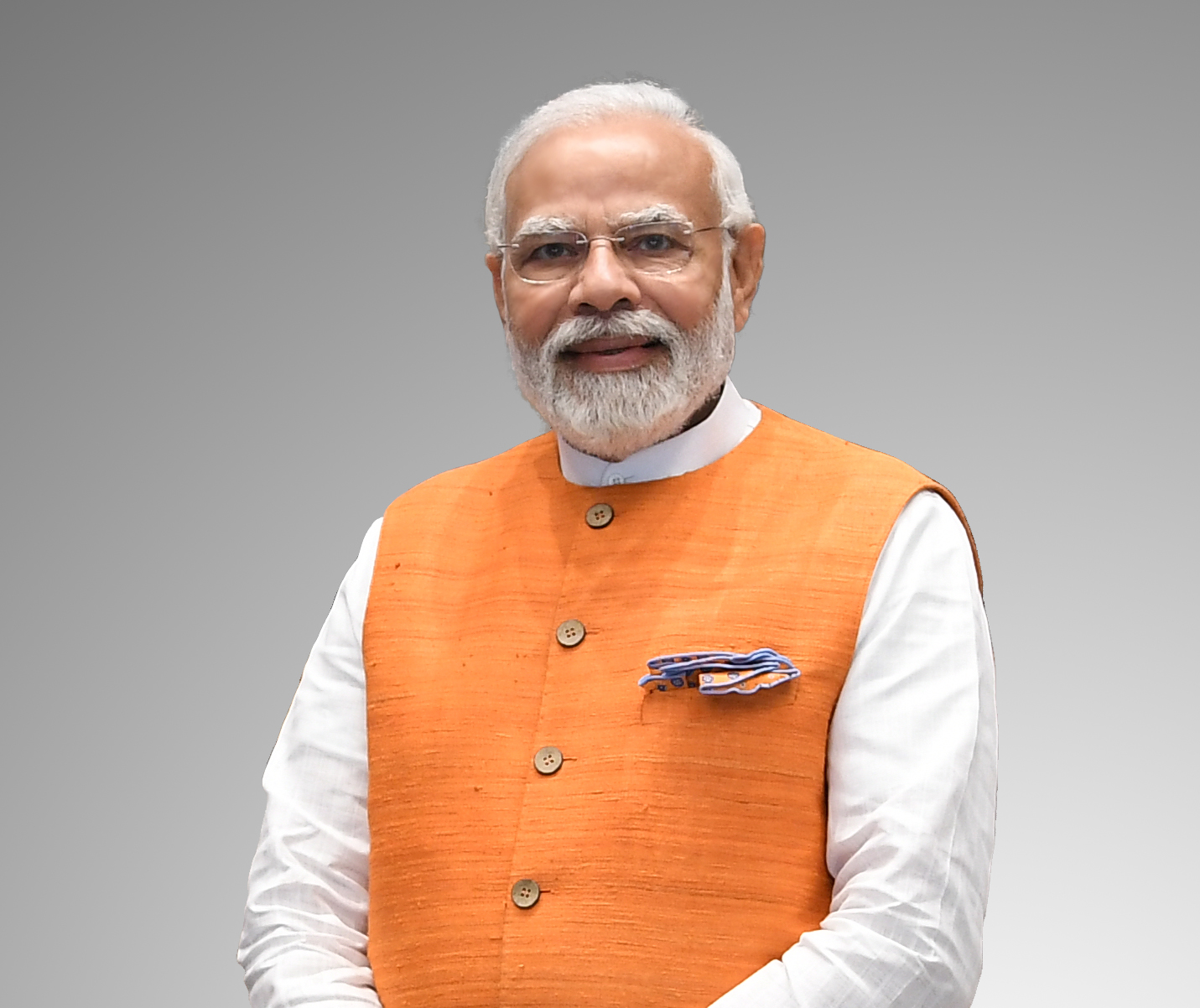
Narendra Modi
Prime Minister & Leader of the House

Rahul Gandhi
Leader of Opposition, Lok Sabha
About the House
The Lok Sabha, also known as the House of the People, is the lower house of the Parliament of India. It was established under the Constitution of India, which came into effect on 26 January 1950. The first general elections were held in 1951–52, and the first Lok Sabha was constituted in April 1952. The first session of the Lok Sabha began on 13 May 1952. The Lok Sabha represents citizens directly through elected members from parliamentary constituencies across India. Members are elected through general elections, normally for a five-year term unless the House is dissolved earlier. Over the years, the Lok Sabha has played a central role in making laws, approving the Union Budget, debating national issues, holding the executive accountable, and representing the concerns of citizens. The first Lok Sabha was headed by Speaker G. V. Mavalankar. Since independence, the House has witnessed major political, economic, and social developments and has passed legislation covering areas such as economic reforms, education, social welfare, technology, taxation, national security, and governance.
The Lok Sabha has played an important role in India's parliamentary democracy and nation-building. 1. It has provided a democratic platform for representatives elected directly by the people. 2. It has debated and passed laws covering a wide range of social, economic, administrative, and constitutional matters. 3. It exercises financial control by considering and approving taxation and government expenditure through the Union Budget. 4. It holds the Council of Ministers accountable through questions, debates, discussions, motions, and parliamentary committees. 5. It has contributed to major constitutional amendments and reforms that have shaped India's democratic and administrative institutions. 6. Parliamentary committees of the Lok Sabha examine legislation, government expenditure, public accounts, and the functioning of government departments in greater detail. 7. The House has provided representation to diverse regions, communities, and political viewpoints across India. 8. Through debates and discussions, the Lok Sabha has addressed major national issues and provided a forum for public concerns to be raised at the national level.