Madhya Pradesh Asked to Plant 7,000 Trees After 700 Trees Were Cut for Stadium
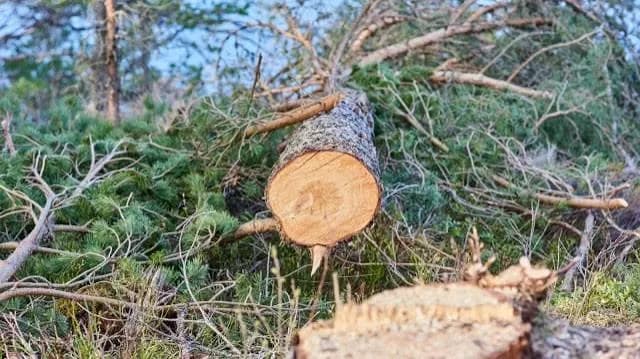
A major environmental and governance issue has emerged in Madhya Pradesh after the National Green Tribunal directed authorities to undertake compensatory plantation following the cutting of around 700 trees for a stadium project.
According to reports published on September 17, 2026, the tribunal has asked the Madhya Pradesh authorities to plant 7,000 trees as compensation for the trees that were felled. The direction also requires the Forest Department to ensure that the compensatory plantation is carried out properly and that the survival of the planted trees is maintained.
The matter has brought attention to the balance between infrastructure development and environmental protection. Stadium and other public infrastructure projects can require land and construction activity, but tree felling and ecological impact remain important considerations for government agencies.
The tribunal's direction places responsibility on the concerned authorities to monitor the plantation programme and ensure that the environmental compensation is implemented rather than remaining only on paper.
The issue has become part of wider Madhya Pradesh Politics, as questions surrounding government projects, environmental protection and public infrastructure often become subjects of legislative and public discussion.
The development may also lead to a Political War (opens in a new tab) between the ruling side and opposition parties over environmental safeguards and the implementation of infrastructure projects.
At the same time, Political Parties (opens in a new tab) in the state may use the issue to raise questions about environmental clearances, tree protection and accountability in government projects.
The tribunal's direction means that the Forest Department and other concerned authorities will now have to monitor the plantation process and report on the survival of the trees.
The case highlights the importance of environmental safeguards when large public projects are planned and implemented. Further attention is expected on whether the compensatory plantation meets the requirements set by the tribunal