Bihar Politics
Bihar is governed by the BJP, led by Chief Minister Samrat Choudhary. Track the latest political developments, policy decisions, and electoral dynamics shaping Bihar.
Current vs. Opposition
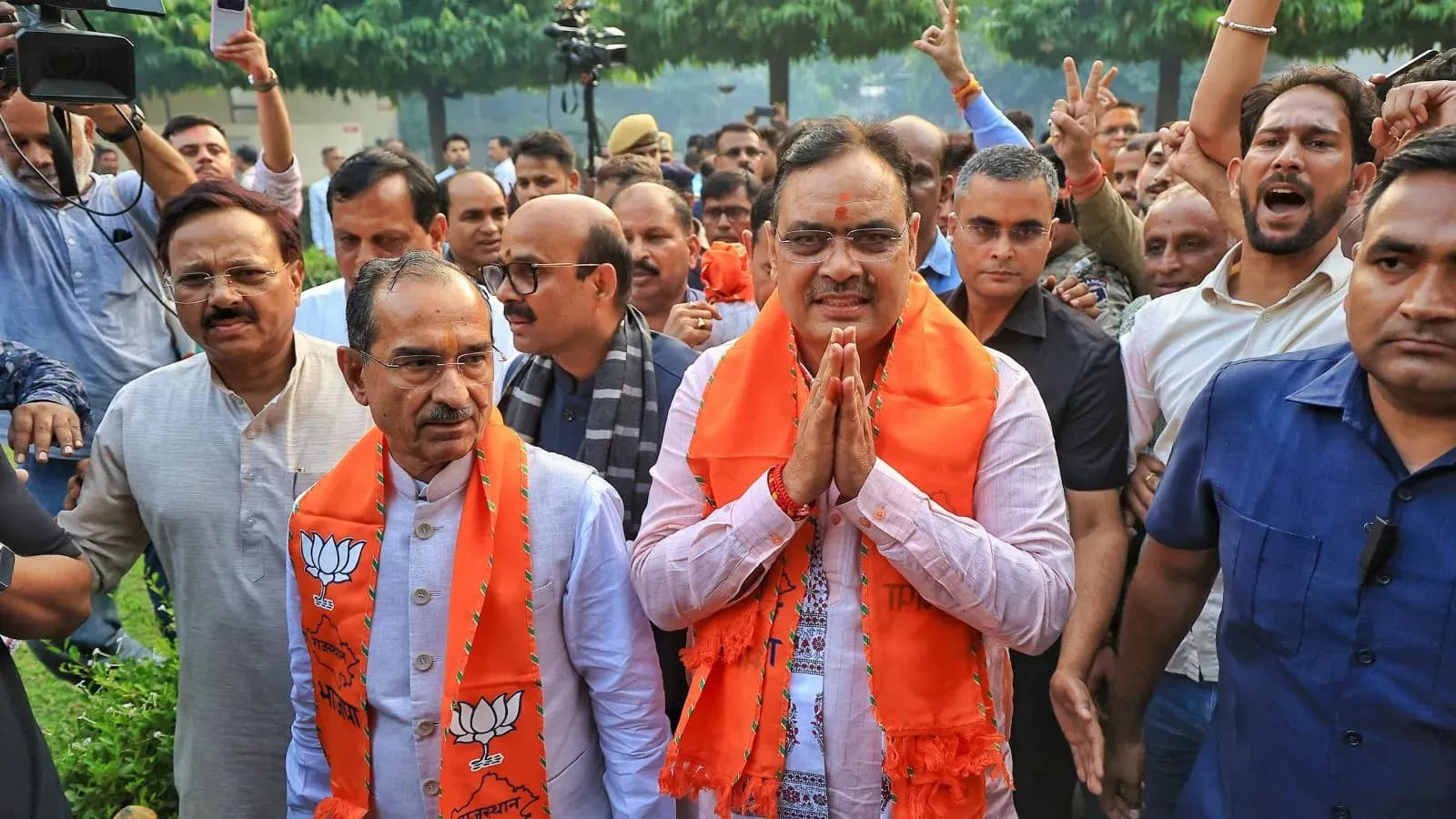
Samrat Choudhary
Chief Minister, Bihar — BJP
Tejashwi Yadav
Opposition Leader — Rashtriya Janata Dal (RJD), Bihar Assembly
History & Achievements
History
The Bihar Legislative Assembly is the lower house of the state's bicameral legislature. Bihar also has a Legislative Council, making it one of the states in India with a bicameral legislature. The Legislative Assembly consists of 243 elected members. The political history of Bihar's Assembly reflects the broader changes in the state's society and electoral politics. For several decades after independence, the Indian National Congress was the dominant political force. The Congress produced several important Chief Ministers and remained central to Bihar politics during the early decades of the Republic. The rise of socialist politics gradually weakened Congress dominance. Karpoori Thakur became one of the most influential leaders associated with social justice and backward-class representation. His policies and political legacy continue to influence Bihar's political discourse. The 1990s brought another major transformation with the rise of Lalu Prasad Yadav and the Rashtriya Janata Dal. Lalu Prasad Yadav became Chief Minister in 1990 and remained one of the most influential figures in Bihar politics for many years. His political approach placed social justice, representation of backward communities and minority groups at the centre of his electoral strategy. Nitish Kumar subsequently emerged as another major political force. His politics combined governance, development, social welfare and coalition-building. He became Chief Minister multiple times and remained one of the most important figures in Bihar's political history during the 21st century. Bihar politics has also been strongly influenced by the BJP. The BJP gradually expanded its organisational and electoral presence and became a major component of the state's coalition politics. Its alliance with the Janata Dal (United) became one of the most important political arrangements in Bihar. The 2025 Bihar Assembly election produced a decisive victory for the National Democratic Alliance. The BJP won 89 seats, Janata Dal (United) won 85, Lok Janshakti Party (Ram Vilas) won 19 and Hindustani Awam Morcha (Secular) won 5, while the Rashtriya Lok Morcha won 4. Together, these parties gave the NDA a very large majority in the 243-member Assembly. The RJD won 25 seats and Congress won 6. Following the 2025 election, Nitish Kumar initially continued as Chief Minister. In April 2026, he resigned after being elected to the Rajya Sabha, and BJP leader Samrat Choudhary succeeded him as Chief Minister. Samrat Choudhary took oath as Chief Minister on 15 April 2026, becoming the first BJP Chief Minister of Bihar. The Bihar Chief Minister's Secretariat currently identifies him as the Chief Minister. The current 18th Bihar Legislative Assembly therefore operates under a BJP-led government with a very strong NDA majority. The Assembly has 243 elected seats, with 38 seats reserved for Scheduled Castes and two for Scheduled Tribes. The Rashtriya Janata Dal remains the principal opposition party. Tejashwi Yadav, the RJD leader and MLA from Raghopur, continues as Leader of the Opposition. The RJD won 25 seats in the 2025 election, making it the largest opposition party in the Assembly. Bihar's Assembly politics therefore currently reflects a clear division between a strong NDA government and an opposition led by the RJD.
Bihar News
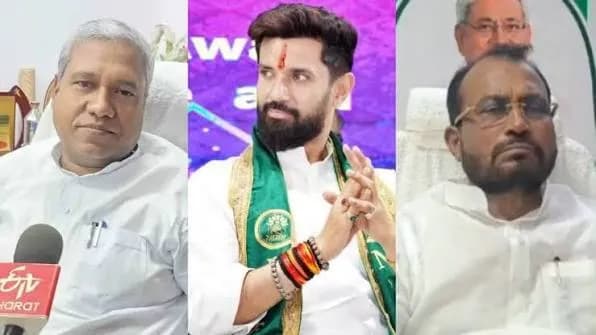
Bihar Politics: JD(U) Reiterates Position on Uniform Civil Code
The Uniform Civil Code has emerged as a fresh political issue in Bihar after JD(U) leaders reiterated that the party does not support implementing a UCC in the state, while BJP leaders have backed the proposal at the national level.
By Haripriya • 5 views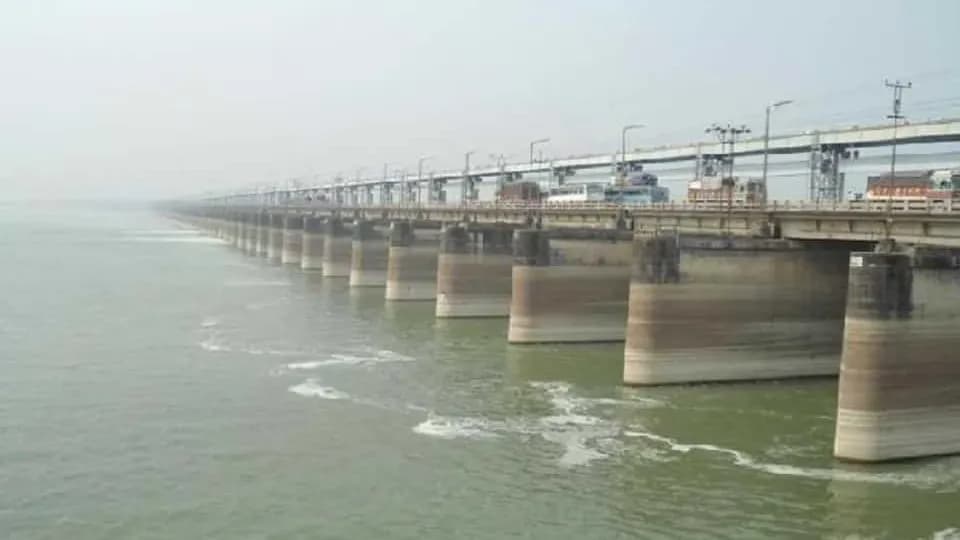
JD(U) Revives Farakka Barrage Campaign as Bihar Flood Politics Intensifies
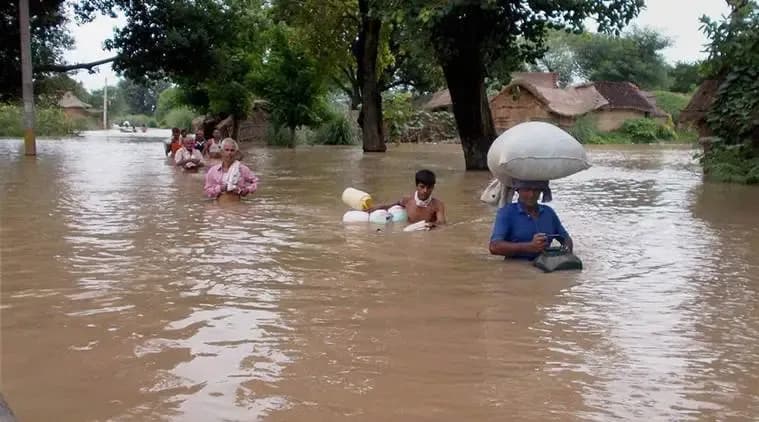
The Janata Dal (United) has intensified its long-running campaign against the Farakka Barrage, launching a “Nitish Samvad” outreach programme across 12 districts along the Ganga. With the India-Bangladesh Ganga water-sharing treaty approaching its December 2026 expiry, the issue has returned to the centre of Bihar's political debate over floods, silt accumulation and water management.