Rajasthan Civic Polls Enter Final Phase as BJP and Congress Face High-Stakes Local Battle
Jaipur, September 11, 2026: Rajasthan is witnessing the second and final phase of voting in its urban local body elections, with voters casting ballots across 147 urban bodies and 4,774 wards. The polling covers several major cities, including Jaipur, Jodhpur, Kota, Bikaner, Udaipur and Ajmer.
The elections have attracted considerable political attention as the ruling Bharatiya Janata Party (BJP) and the Congress compete for influence in urban Rajasthan. The results are expected to provide an important indication of the parties' grassroots organisational strength.
Second Phase Sees Large-Scale Voting
Voting began at 7 am across the second phase, with more than 87 lakh registered voters eligible to participate. Around 18,266 candidates are contesting seats across the urban local bodies.
The first phase, held on September 9, recorded a turnout of 76.41%, according to reports. The strong participation has increased expectations surrounding the final results.
BJP and Congress Face Key Test
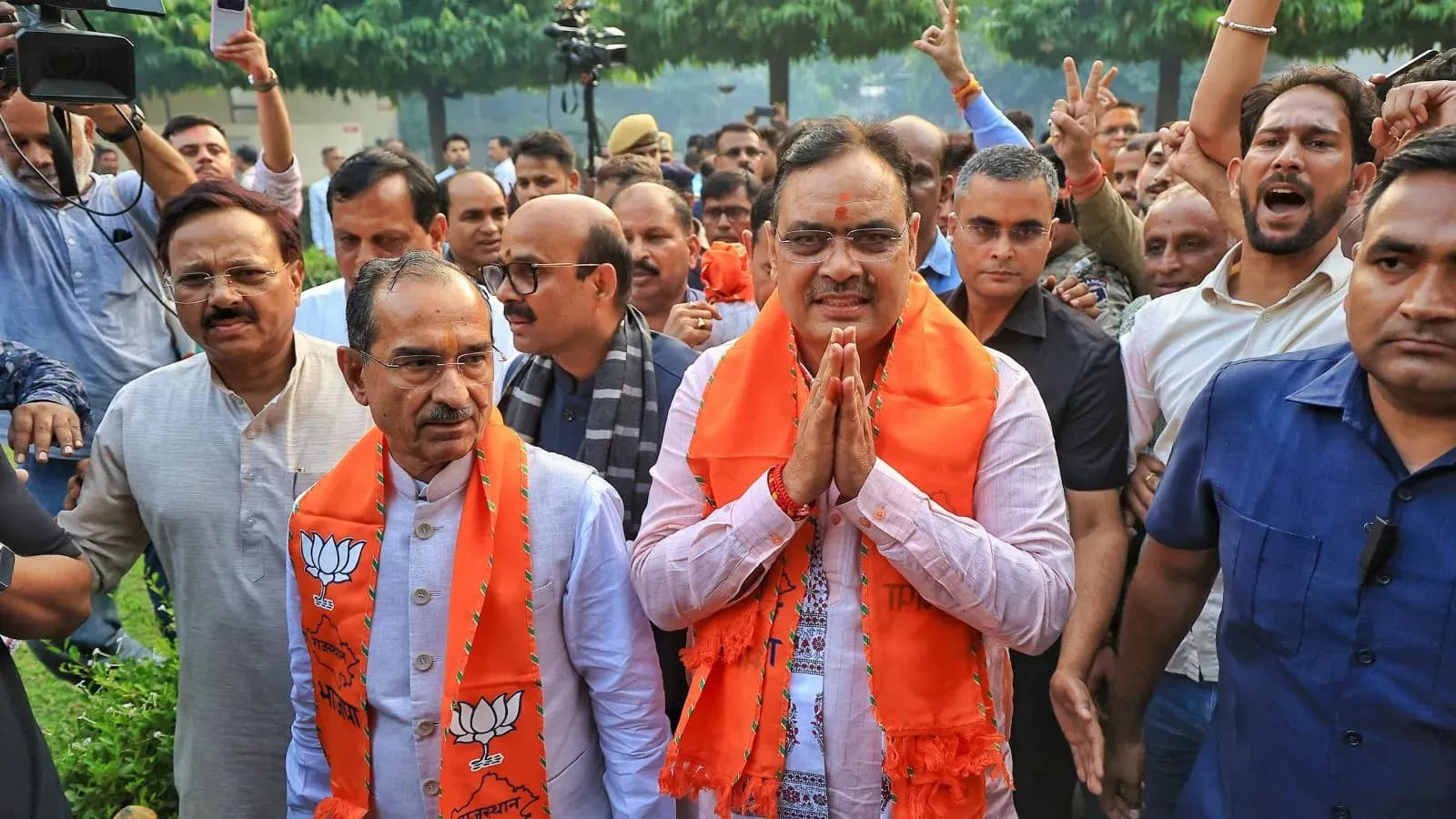
The election represents an important test for the BJP government led by Chief Minister Bhajan Lal Sharma. A strong performance by the BJP would reinforce the party's organisational position in the state's urban areas.
For the Congress, the local elections provide an opportunity to challenge the ruling party and demonstrate that it remains competitive at the grassroots level.
The outcome could therefore influence the wider Rajasthan Politics landscape and shape the strategies adopted by both parties in the coming years.
Controversies During Polling
The first phase of voting witnessed allegations of clashes, bogus voting and other irregularities in several areas. Reports also mentioned disputes involving political workers and candidates.
The BJP has also approached the Election Commission over an incident in which polling personnel were reported to have touched former Chief Minister Ashok Gehlot's feet while he arrived to vote. The BJP questioned whether such conduct was consistent with the neutrality expected from election officials.
The controversy has added another dimension to the already competitive local elections.