Rajya Sabha
The Rajya Sabha (Council of States) is one of the two houses of the Indian Parliament, currently comprising 245 seats. Track its leadership, party composition, and the latest legislative developments.
Current vs. Opposition
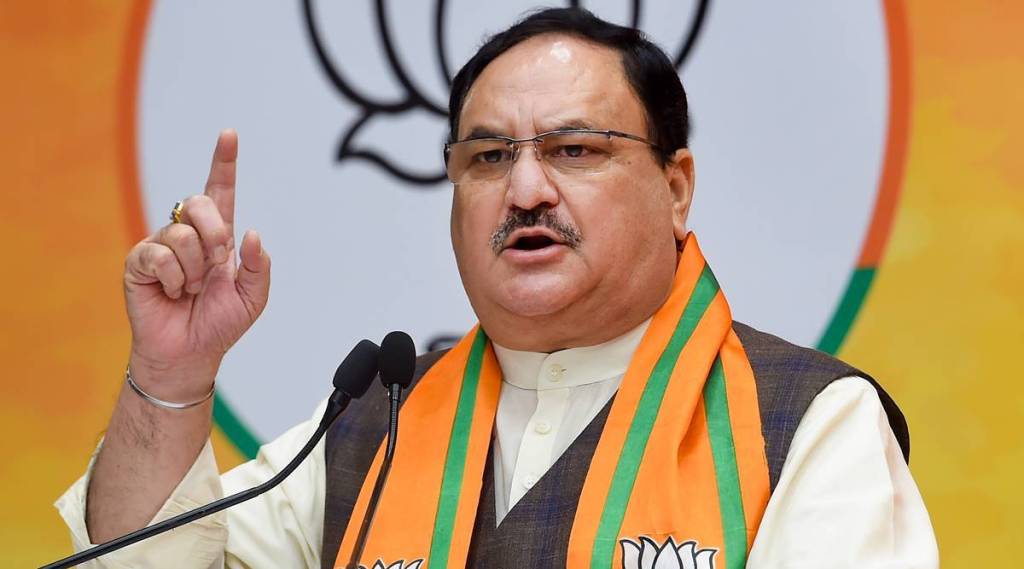
J. P. Nadda
Leader of the House, Rajya Sabha

Mallikarjun Kharge
Leader of Opposition, Rajya Sabha
About the House
Rajya Sabha, also known as the Council of States, is the Upper House of the Parliament of India. It was constituted on 3 April 1952, following India's first general elections, and held its first sitting on 13 May 1952. Dr. S. Radhakrishnan was the first Chairman of Rajya Sabha. The Council of States was officially named "Rajya Sabha" in Hindi on 23 August 1954. The creation of Rajya Sabha was based on the Constitution-makers' decision to establish a bicameral parliamentary system. Its principal purposes were to provide representation to the States, serve as a revising and deliberative chamber, and ensure continuity in Parliament. Unlike the Lok Sabha, Rajya Sabha is a permanent House and is never dissolved. One-third of its members retire every two years. Since its establishment, Rajya Sabha has participated in the making of major legislation covering social reform, economic development, education, healthcare, agriculture, industry, national security and other areas. It has also provided a platform for representatives from different regions and states to participate in national policy discussions. The House has evolved considerably over more than seven decades while retaining its constitutional role as India's Council of States. By the end of its 249th session in 2019, Rajya Sabha had held 5,466 sittings and passed 3,817 Bills, demonstrating its extensive legislative contribution.
Legislative Contribution: Rajya Sabha has played an important role in the creation and examination of laws covering social, economic, educational, healthcare and administrative matters. Social Reforms: The House has contributed to important legislation concerning marriage, succession, women's rights, healthcare and social welfare. Education: Rajya Sabha has participated in legislation relating to education and the development of higher-education institutions. Economic Development: The House has considered major economic and financial legislation relating to banking, industry, taxation and economic development. Healthcare: Rajya Sabha has contributed to legislation concerning healthcare institutions, medical education and regulation of the medical profession. Federal Representation: Rajya Sabha provides States and Union Territories with representation in the national Parliament and gives regional interests a platform in national policymaking. Constitutional Development: The House has participated in numerous constitutional amendments and has contributed to the development of India's constitutional framework. Parliamentary Debate: Rajya Sabha provides an important forum for detailed discussion, scrutiny of legislation and debate on matters of national importance. Special Constitutional Powers: Under Articles 249 and 312 of the Constitution, Rajya Sabha has special powers relating to legislation on State List subjects in the national interest and the creation of All India Services. Continuity: As a permanent House, Rajya Sabha ensures continuity in India's parliamentary system even when the Lok Sabha is dissolved. Nation Building: Over more than seven decades, Rajya Sabha has contributed to India's development through legislation, parliamentary oversight, debate and representation of regional interests.