Bihar Politics: Governance, Employment and Development Shape the State’s Political Landscape
Bihar remains one of the most politically significant states in India. Its large electorate, diverse social composition and history of strong regional political movements make developments in the state important to the wider national political landscape.
From Patna and Gaya to Muzaffarpur, Bhagalpur and Darbhanga, voters continue to focus on employment, education, infrastructure, agriculture and economic opportunities.
Development and Employment Remain Key Issues
Employment is one of the most important issues in Bihar's political conversation. Young voters are particularly interested in job opportunities, skill development, better education and opportunities for economic growth.
Infrastructure development is another major area of attention. Roads, transport, electricity, healthcare facilities and urban development can significantly influence how voters evaluate government performance.
Political parties are therefore expected to place development and employment at the centre of their political messaging.
Political Competition Across Bihar
Bihar has a highly competitive political environment, with major parties and regional forces attempting to expand their influence across different parts of the state.
The changing political equations can be followed through detailed coverage of Political Parties, including their leadership, policies, alliances and organisational strategies.
Political alliances can also have a significant impact on electoral calculations. Parties may cooperate on some issues while strongly competing on others, creating a constantly changing political environment.
Assembly Politics Remains Important
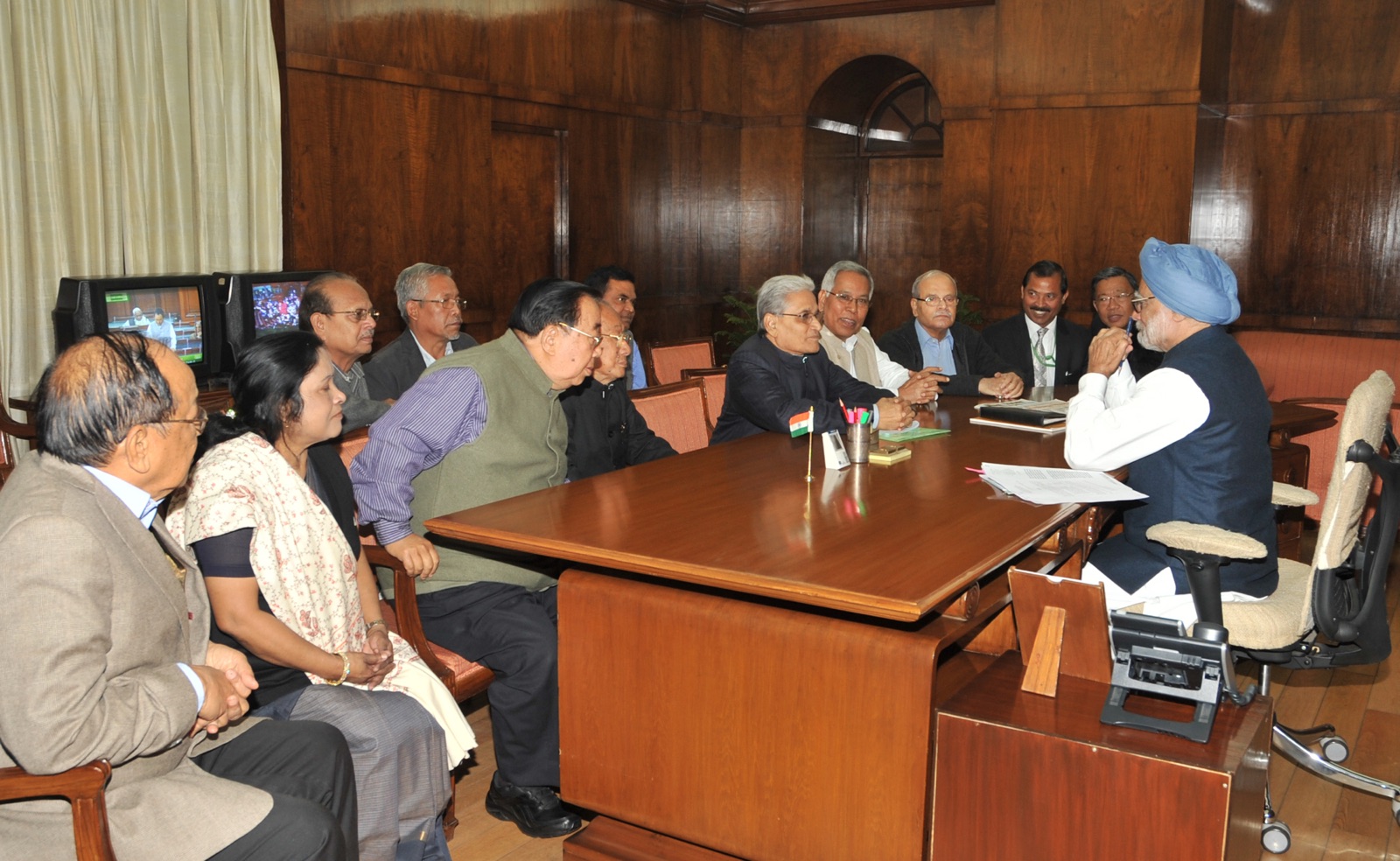
The Bihar Legislative Assembly is an important platform for discussing government policies and issues affecting citizens.
Through Vidhan Sabha (opens in a new tab) coverage, readers can follow important Assembly debates, legislative developments, government announcements and opposition responses.