Bihar Congress Rift Deepens as 29 Leaders Face Show-Cause Notices
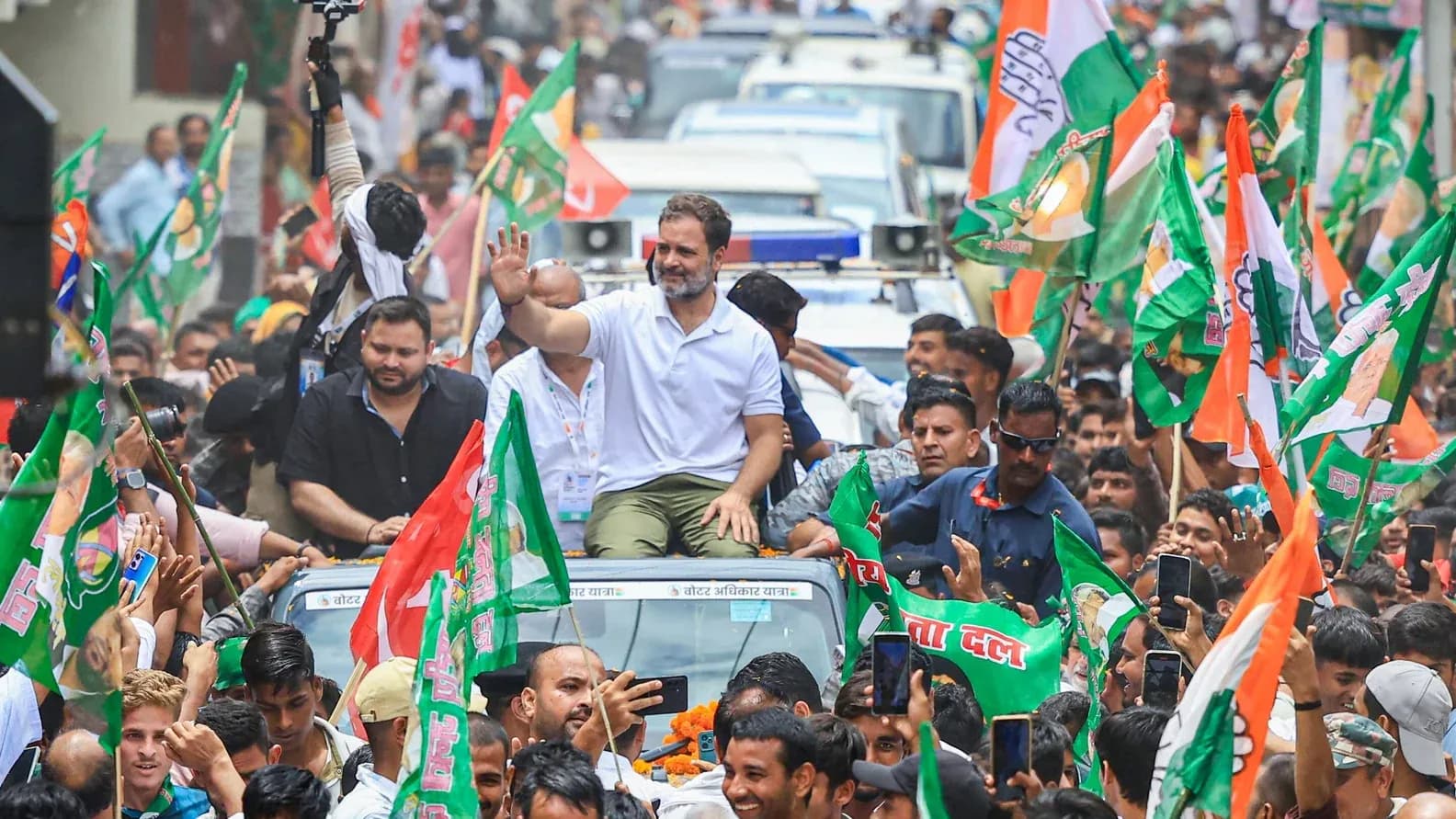
The internal differences within the Bihar Congress have intensified after the party's disciplinary committee issued show-cause notices to 29 leaders over their participation in a protest against the state Congress leadership.
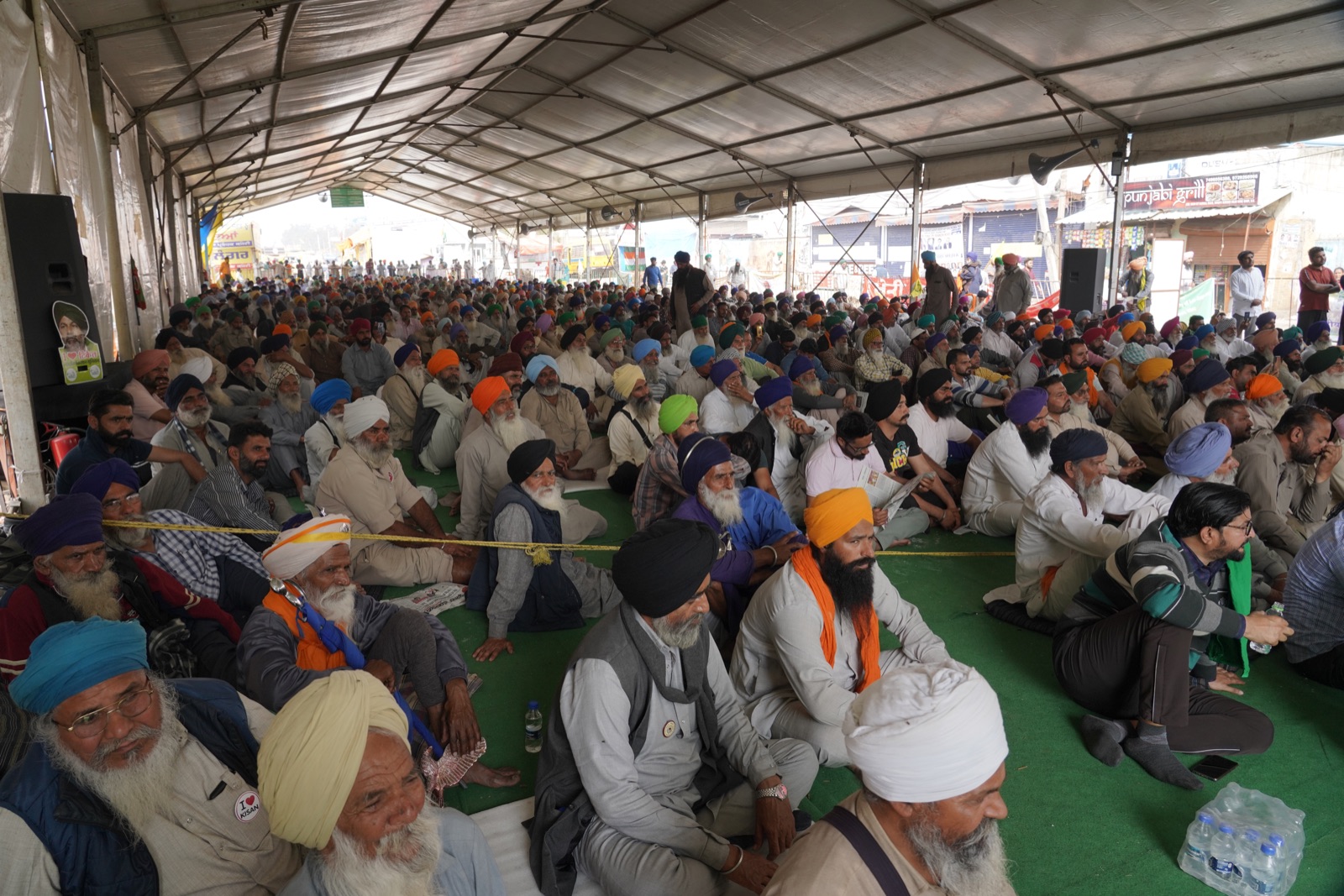
The leaders allegedly took part in a September 8 demonstration near the All India Congress Committee office in New Delhi. The Bihar Pradesh Congress Committee's disciplinary committee described their participation as a violation of party discipline and policy. The leaders have been given 72 hours to submit their explanations.
The action highlights continuing tensions within the state unit following the Congress's poor performance in the 2025 Bihar Assembly election. Some dissatisfied leaders have been demanding changes in the organisation and have raised allegations concerning the functioning of the state leadership.
Among those who received notices are former MLAs and former district Congress presidents. The disciplinary action demonstrates that the state leadership is attempting to deal firmly with public dissent at a time when the party is trying to rebuild its organisation in Bihar.
The dispute is not entirely new. Several leaders had previously raised similar concerns and some were expelled from the party for six years in February. Those leaders challenged the action and argued that the state unit had exceeded its authority in taking disciplinary measures.
The latest controversy has therefore become more than an individual disagreement between party leaders. It reflects a broader organisational challenge for the Congress in Bihar, where the party must balance internal criticism with the need to maintain discipline.
The protesting leaders have reportedly sought meetings with senior Congress figures, including party president Mallikarjun Kharge and Leader of Opposition Rahul Gandhi, to present their concerns. They have also questioned aspects of the party's organisational functioning and alleged problems within the state unit.
For the Bihar Congress leadership, controlling the internal dispute will be important for rebuilding the party's grassroots organisation. Public disagreements between senior workers and the state leadership can make it more difficult for the party to project a united image before voters.
The controversy has also become part of the wider Political War in Bihar. Rival parties can use visible divisions within the Congress to question its organisational strength and leadership.