BRICS Debate Intensifies as Congress Questions India’s Gains, BJP Hits Back
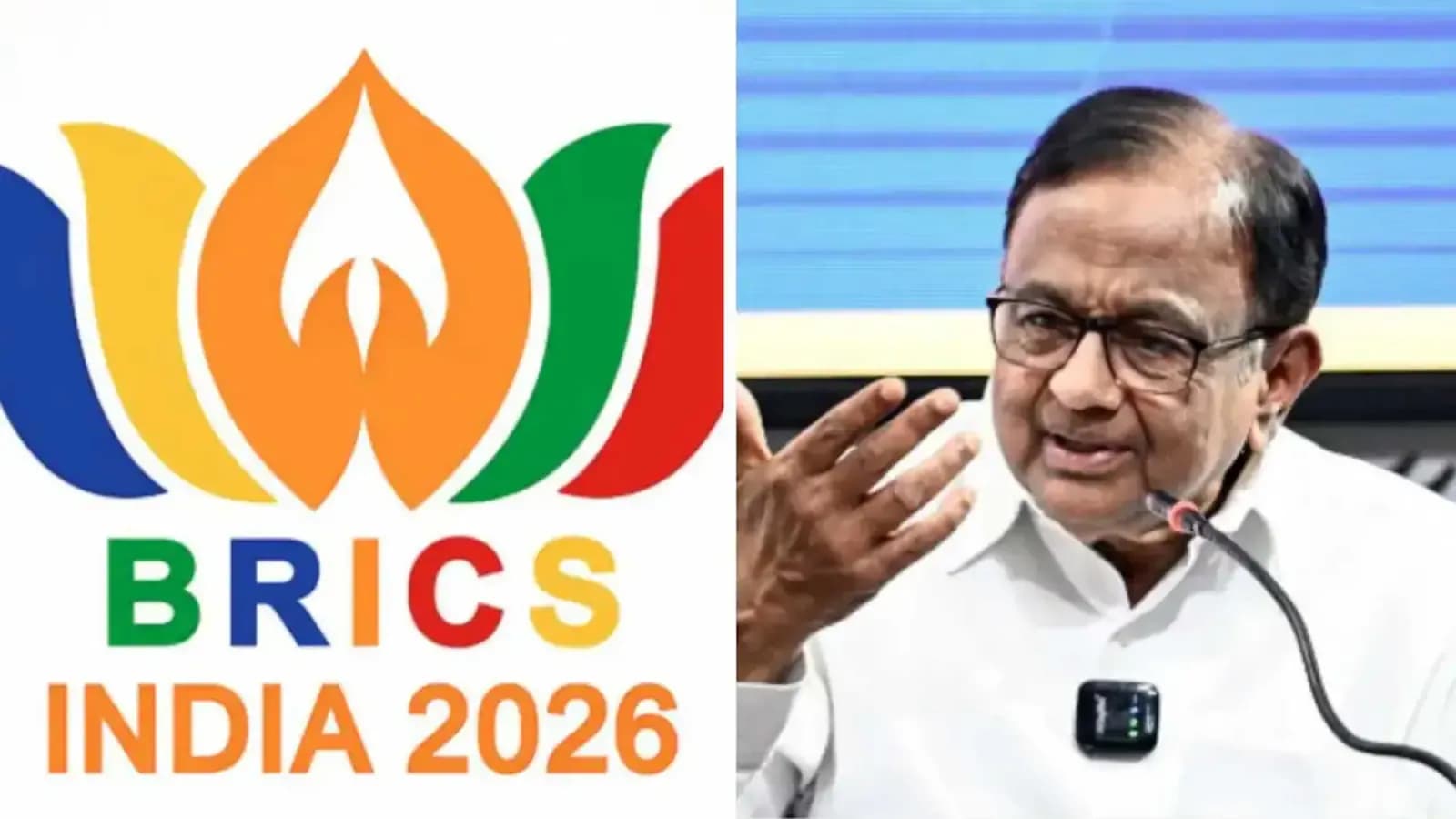
A fresh political debate has erupted in India ahead of the BRICS Leaders’ Summit, with the Congress and BJP exchanging sharp remarks over India's role in the international grouping.
Senior Congress leader P. Chidambaram questioned the concrete benefits India has received from recent BRICS summits. His remarks triggered a strong response from the BJP, which accused the Congress of unnecessarily criticising India's international engagements at a time when New Delhi is preparing to host the major summit.
India is hosting the BRICS Leaders’ Summit in New Delhi on September 12 and 13, with leaders from the expanded 11-member grouping expected to participate. The summit comes at a challenging geopolitical moment, with conflicts in the Middle East and other international tensions creating divisions within the expanded BRICS bloc.
The BJP has defended India's participation in BRICS and argued that the grouping provides an important platform for India to engage with major emerging economies. BJP leaders have criticised Chidambaram's comments, portraying them as an attempt by the opposition to undermine India's growing international influence.
The Congress, meanwhile, has focused on the question of tangible outcomes. The party's criticism reflects a broader opposition argument that international summits should produce measurable economic, diplomatic and strategic benefits for India rather than remaining primarily high-profile diplomatic events.
The debate has become part of the country's wider Political War, with the ruling BJP and opposition Congress interpreting India's foreign-policy initiatives from different perspectives.
The BRICS grouping has expanded considerably in recent years. Its membership now includes countries such as Egypt, Ethiopia, Indonesia, Iran and the United Arab Emirates in addition to the original members. The expansion has increased the group's economic and geopolitical significance but has also made consensus more complicated because member states have different foreign-policy priorities.
For India, the summit offers an opportunity to engage with Russia and China while also maintaining relationships with Western countries. The geopolitical situation makes this balancing act particularly important, especially as tensions surrounding the Middle East continue to affect energy markets and international diplomacy.
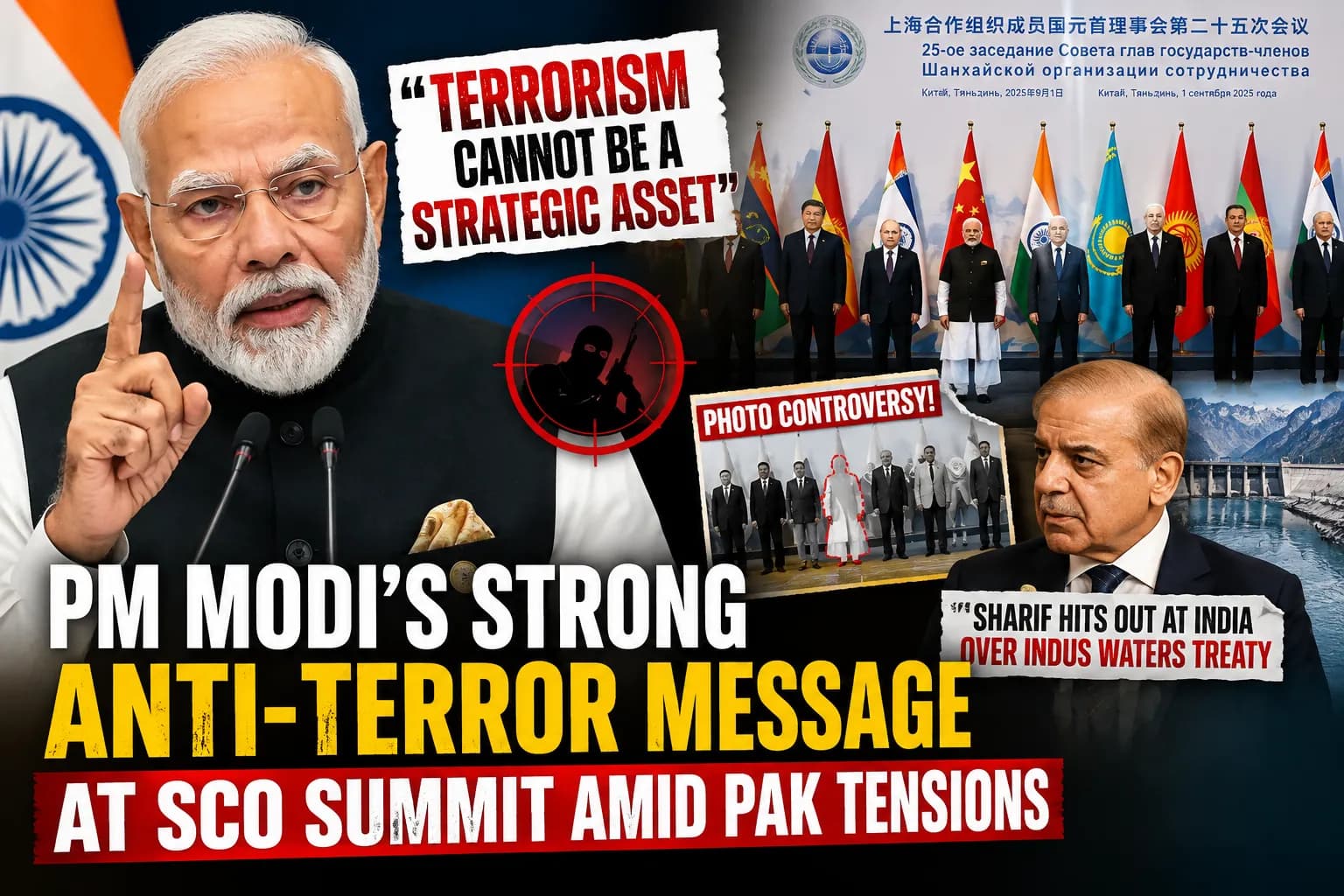
Prime Minister Narendra Modi is expected to hold important bilateral discussions on the sidelines of the summit. The participation of Chinese President Xi Jinping and Russian President Vladimir Putin is also expected to make India’s diplomatic engagement particularly significant.