Cauvery Water Row: Karnataka to Move Supreme Court Against 6,000 Cusecs Release to Tamil Nadu
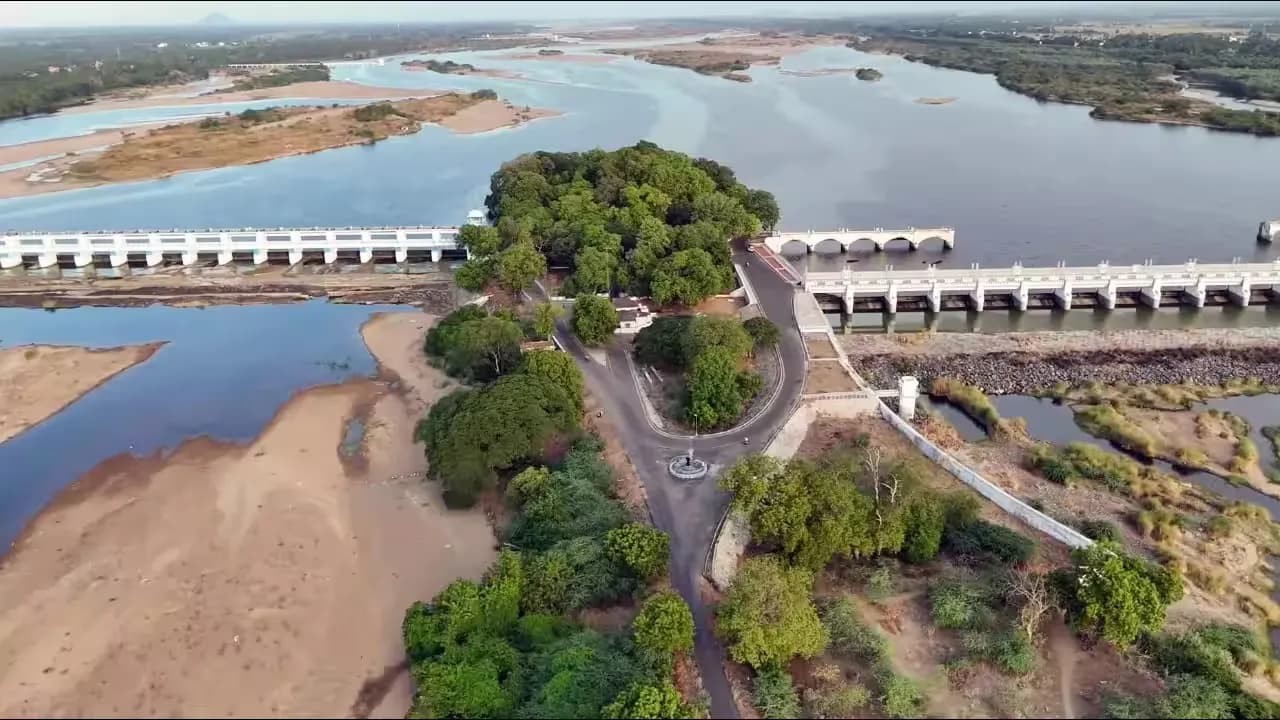
The Cauvery water dispute between Karnataka and Tamil Nadu has intensified once again after the Cauvery Water Management Authority (CWMA) upheld a direction requiring Karnataka to release 6,000 cusecs of Cauvery water daily to Tamil Nadu for 15 days.
The decision was taken at the CWMA's meeting in Delhi on September 8, after the Cauvery Water Regulation Committee (CWRC) recommended the reduced release. The latest order replaces an earlier direction for Karnataka to ensure a flow of 9,000 cusecs for 15 days.
Karnataka Objects to Water Release
The Karnataka government has strongly opposed the latest direction, arguing that the state is facing difficult water conditions because of declining inflows into the Cauvery basin.
Karnataka Water Resources Minister N Cheluvarayaswamy said the state had presented information regarding rainfall, reservoir storage and inflows before the regulatory authorities. He argued that the situation on the ground makes it difficult for Karnataka to release the quantity of water ordered by the CWMA.
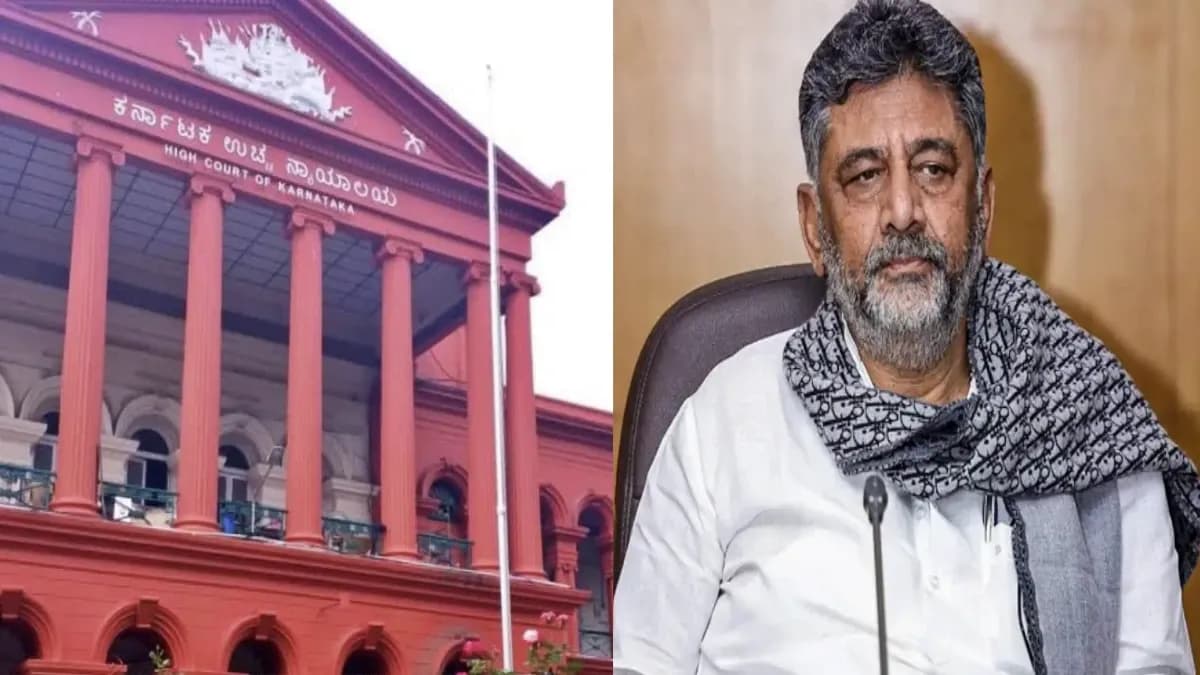
The state government is now seriously considering approaching the Supreme Court against the order.
The latest dispute comes at a time when Karnataka is also dealing with drought-like conditions across several parts of the state. According to reports, more than 125 taluks are facing severe drought conditions, increasing pressure on the government to protect water supplies for drinking and agricultural requirements.
Tamil Nadu Seeks Its Share
Tamil Nadu has maintained that it needs adequate Cauvery water for irrigation and drinking-water requirements. The state had sought a considerably higher release of 17,000 cusecs before the CWRC recommended 6,000 cusecs for the latest 15-day period.
The Cauvery remains particularly important for agricultural activity in Tamil Nadu, including the Kuruvai crop. The release of water from Karnataka is therefore closely watched by farmers and political leaders on both sides of the interstate dispute.
At the same time, Karnataka argues that its own reservoirs and inflows must be considered while determining how much water can safely be released downstream.
Supreme Court May Hear Karnataka's Challenge