FCRA Amendment Bill: 31-Member Joint Parliamentary Committee Formed to Examine Proposed Changes | Indian Rajniti
BREAKING
HarperCollins Takes Over Sonia Gandhi’s Memoir Following Dramatic Penguin Exit Over Manuscript Cuts • Ladakh LG Approves Autonomous Hill Development Councils Across All Districts to Boost Local Governance • Massive Political Face-Off Erupts as CJP Stages Parliament Street Protest Over Jantar Mantar Assault Case
FCRA Amendment Bill: 31-Member Joint Parliamentary Committee Formed to Examine Proposed Changes
Haripriya 4 Sept 2026 2 min read 172 views
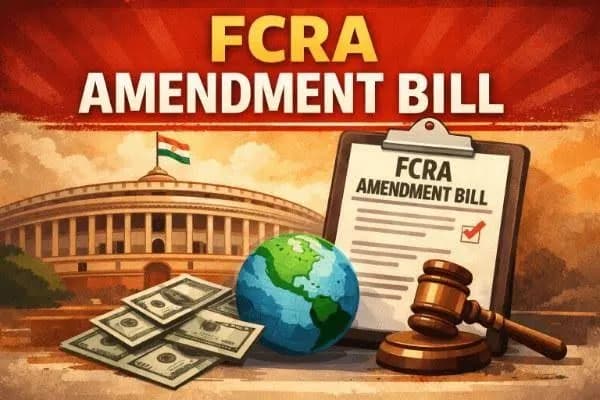
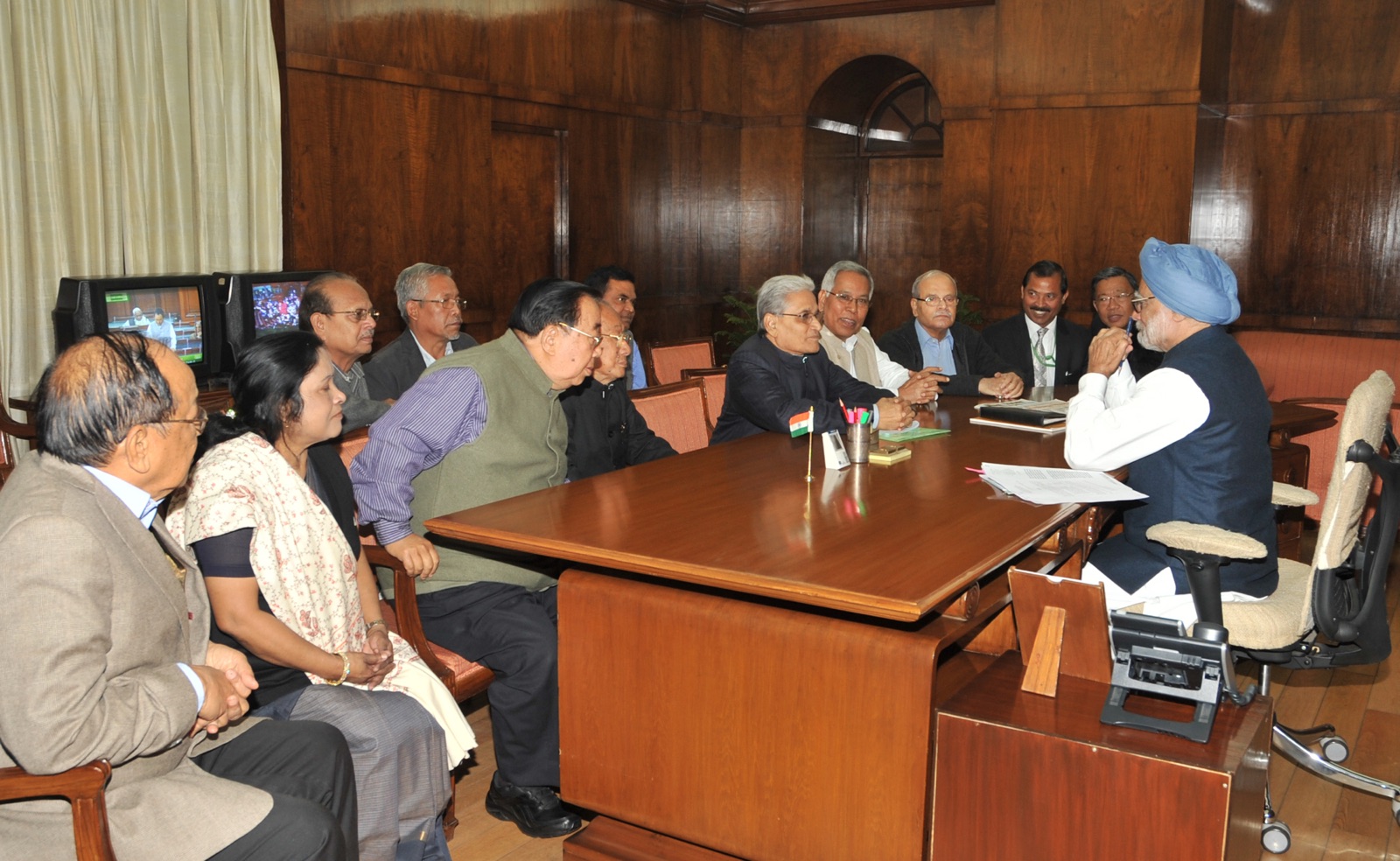
A fresh political debate has emerged in Parliament over the Foreign Contribution (Regulation) Amendment Bill, 2026, with a 31-member Joint Parliamentary Committee (JPC) now set up to examine the proposed legislation in detail.
The committee will include members from both the Lok Sabha and Rajya Sabha and will be chaired by BJP MP Sanjay Jaiswal. The development marks an important next step in the parliamentary examination of a bill that has generated debate among the government, Opposition parties, NGOs and other stakeholders.
The Foreign Contribution (Regulation) Act, commonly known as FCRA, regulates the receipt and use of foreign contributions by organisations and individuals in India.
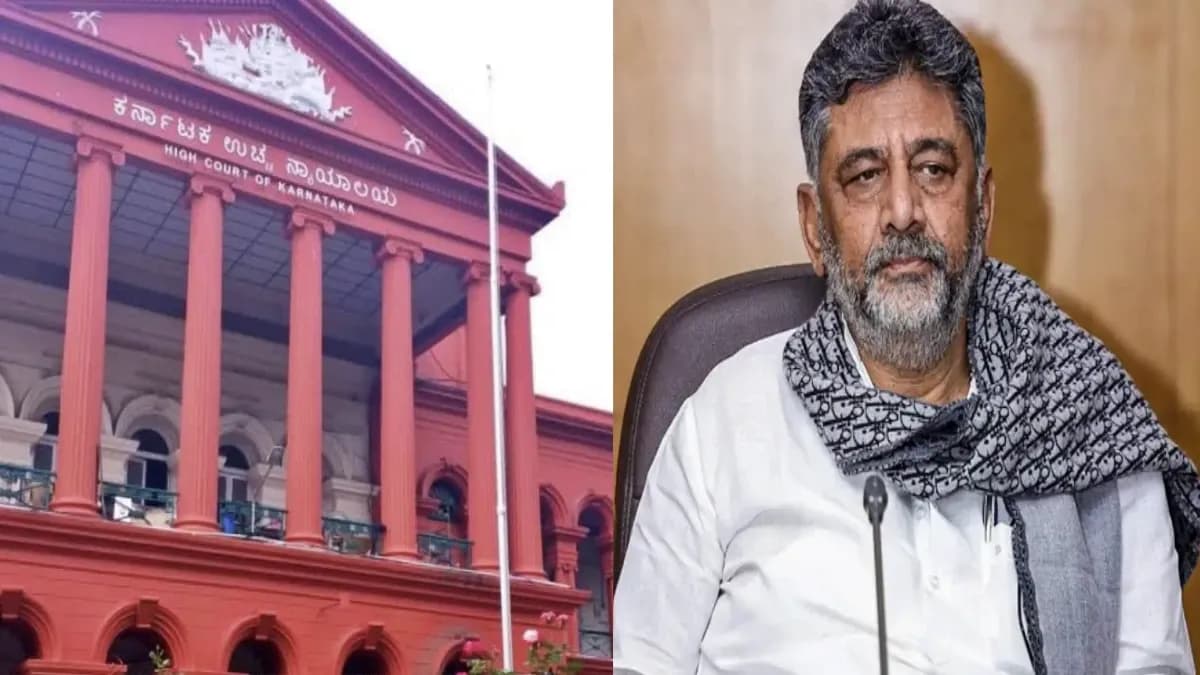
A Public Interest Litigation has been filed in the Karnataka High Court challenging the state government’s decision to restrict the singing of Vande Mataram to its first two stanzas at official events. The petition has raised questions over the state government’s authority and its alignment with a Union government directive.
The proposed amendments are aimed at changing aspects of the existing regulatory framework. The government has defended the legislation, while Opposition parties have raised concerns about its possible impact on NGOs and minority-related organisations.
Joint Committee to Examine the Bill
The newly constituted 31-member parliamentary committee is expected to study the proposed amendments and examine concerns raised by different political parties and stakeholders.
According to reports, the panel includes 19 members from the National Democratic Alliance, including 14 BJP MPs. The committee has been tasked with submitting its report before the first week of the Winter Session.
The committee process could provide an opportunity for detailed discussion before Parliament takes a final decision on the legislation.
Government and Opposition Differ
The FCRA Bill has become another point of political disagreement between the government and Opposition.
Opposition parties have argued that some provisions could disproportionately affect NGOs and minority organisations. The government, however, has rejected allegations that the legislation is discriminatory and has challenged critics to identify specific provisions that would unfairly target any particular community.
The committee's examination could therefore become an important forum for these competing arguments.
Why This Matters
The FCRA framework has a direct connection with how organisations receiving foreign contributions operate in India. Any changes to the law could therefore have implications for civil society organisations, NGOs, charitable institutions and other entities receiving foreign funds.
The parliamentary committee's review will be closely watched because its recommendations could influence the final form of the legislation.
Indian Rajniti Analysis
At Indian Rajniti, we believe important political and legislative developments should be understood beyond party-level statements.
The FCRA Amendment Bill represents a significant debate around foreign funding, regulation, transparency and the functioning of civil society organisations. The JPC process will be important in assessing the government's proposed changes as well as the concerns raised by Opposition parties and stakeholders.
As the committee begins its work, further discussions and recommendations could shape the next stage of the bill's journey through Parliament.
Stay Updated With Indian Rajniti
For the latest updates on Indian politics, Parliament, elections, government policies, political parties and major legislative developments, follow Indian Rajniti.
“The FCRA Amendment Bill 2026 has been referred to a 31-member Joint Parliamentary Committee (JPC) for detailed examination. The committee, chaired by BJP MP Sanjay Jaiswal, will review the proposed changes and concerns raised by political parties and stakeholders.”
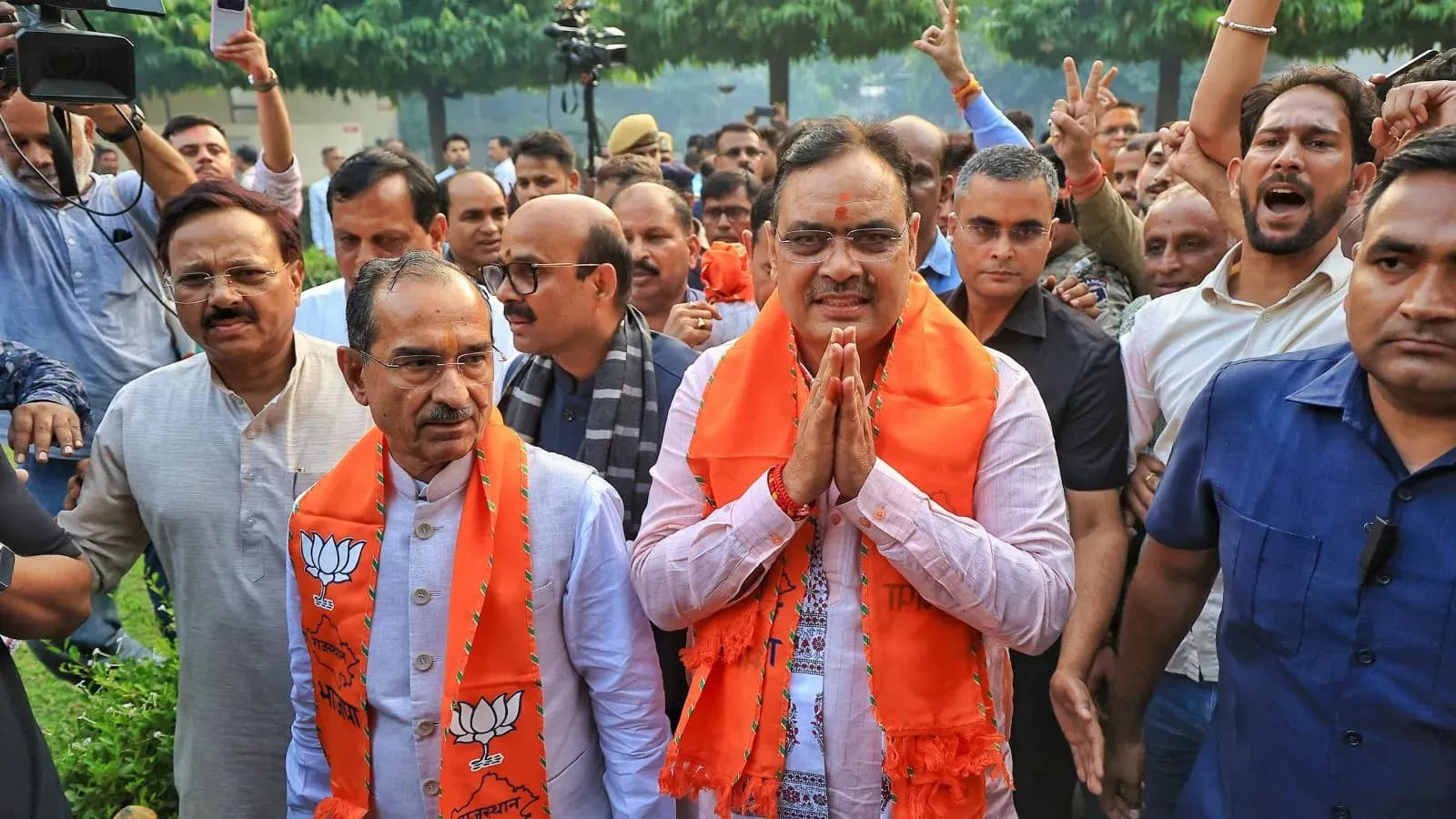
Rajasthan’s urban local-body election results have brought a closely contested political picture, with the BJP leading the declared ward count while Congress and independent candidates also securing substantial support. Repolling in some wards is set to complete the remaining results.
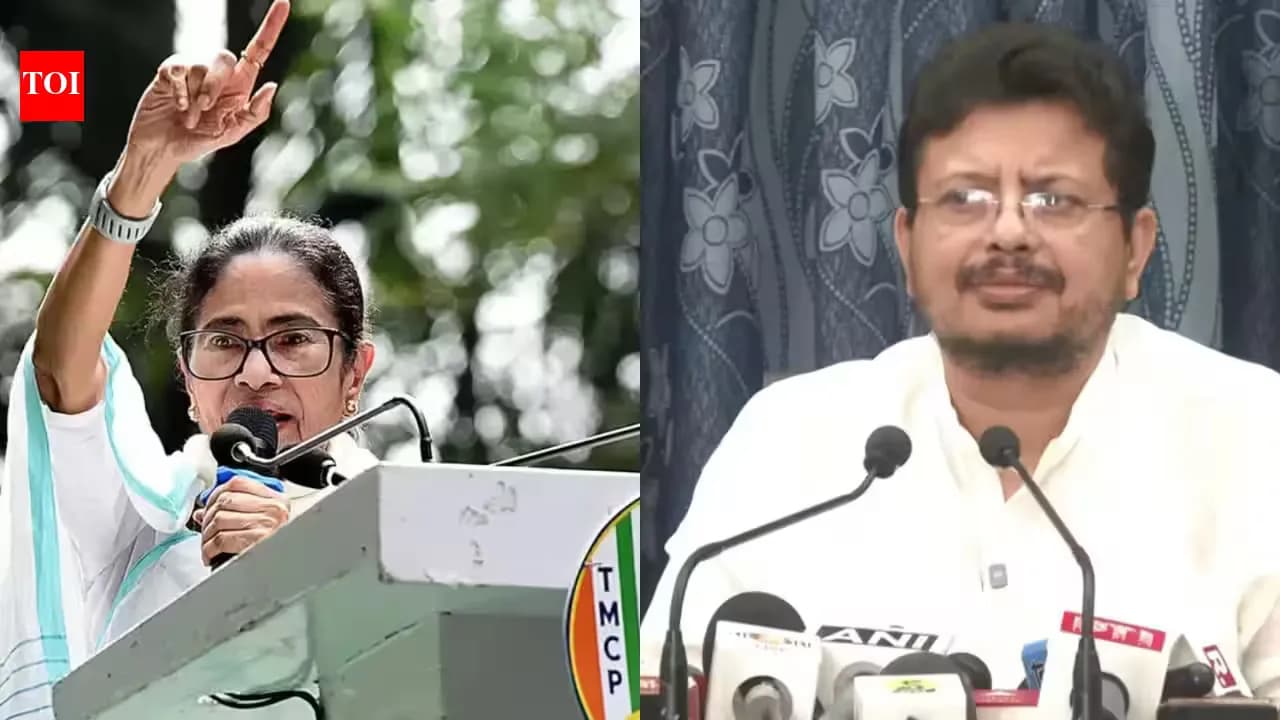
The upcoming Nandigram Assembly bypoll has triggered fresh political discussions in West Bengal after a Congress leader claimed that the Trinamool Congress had offered the seat to Congress. The TMC denied making such a proposal, adding another point of contention ahead of the October 6 bypoll.
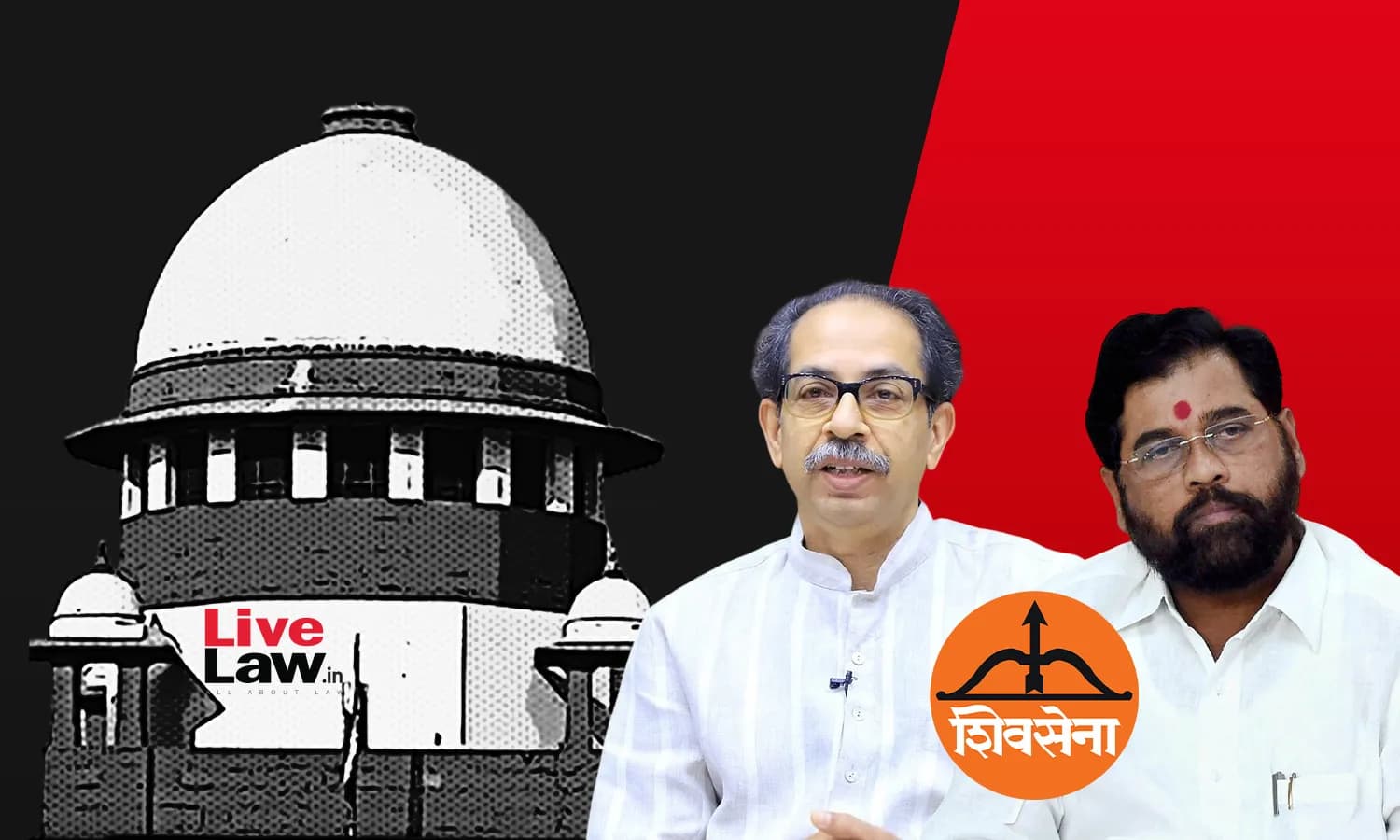
The Supreme Court has resumed final hearings in petitions concerning the Shiv Sena split and the disqualification of MLAs from the Eknath Shinde-led faction. The Shinde camp is defending the Election Commission’s decision recognising its organisational majority in the party dispute.