Gujarat Government Delays Drought Decision as Opposition Demands Immediate Action
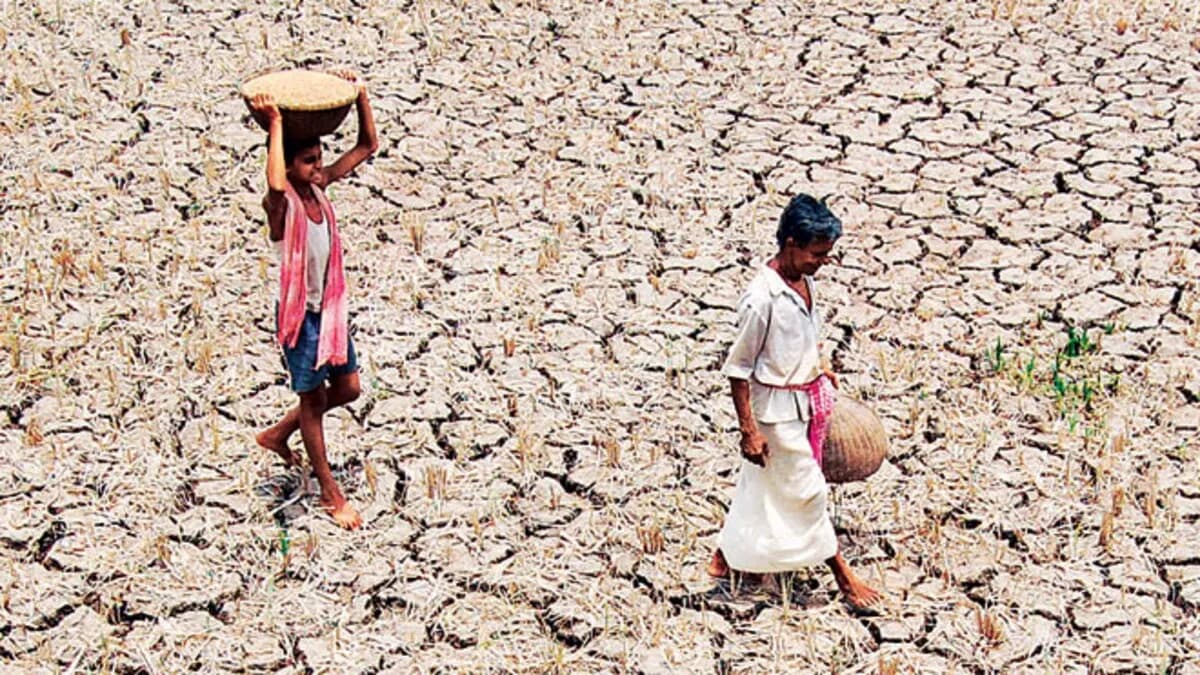
Gujarat Faces Growing Drought Concerns
A political debate over rainfall and agricultural conditions has intensified in Gujarat, with opposition parties demanding that the state government declare drought in districts facing serious rainfall shortages.
During the final day of the Gujarat Assembly's monsoon session, Legislative and Parliamentary Affairs Minister Rushikesh Patel said the government would take a decision only after conducting a proper assessment at the end of the Kharif season. The government has said the process will follow the Centre's Drought Management Manual.
The issue has become an important part of Gujarat Politics, particularly because of its potential impact on farmers and rural communities.
Rainfall Deficit Raises Concerns
Gujarat's rainfall situation has remained uneven. By early September, the state had received around 75.43% of its average rainfall, with particularly significant shortages reported in some districts.
Devbhumi Dwarka and Kutch have experienced substantial rainfall deficits, raising concerns about agricultural production and water availability.
Despite the uneven rainfall, sowing has reportedly reached 94.24% of the average cultivated area, providing some relief to the government. However, continued rainfall shortages in specific regions remain a major concern for farmers.
Congress and AAP Demand Immediate Declaration
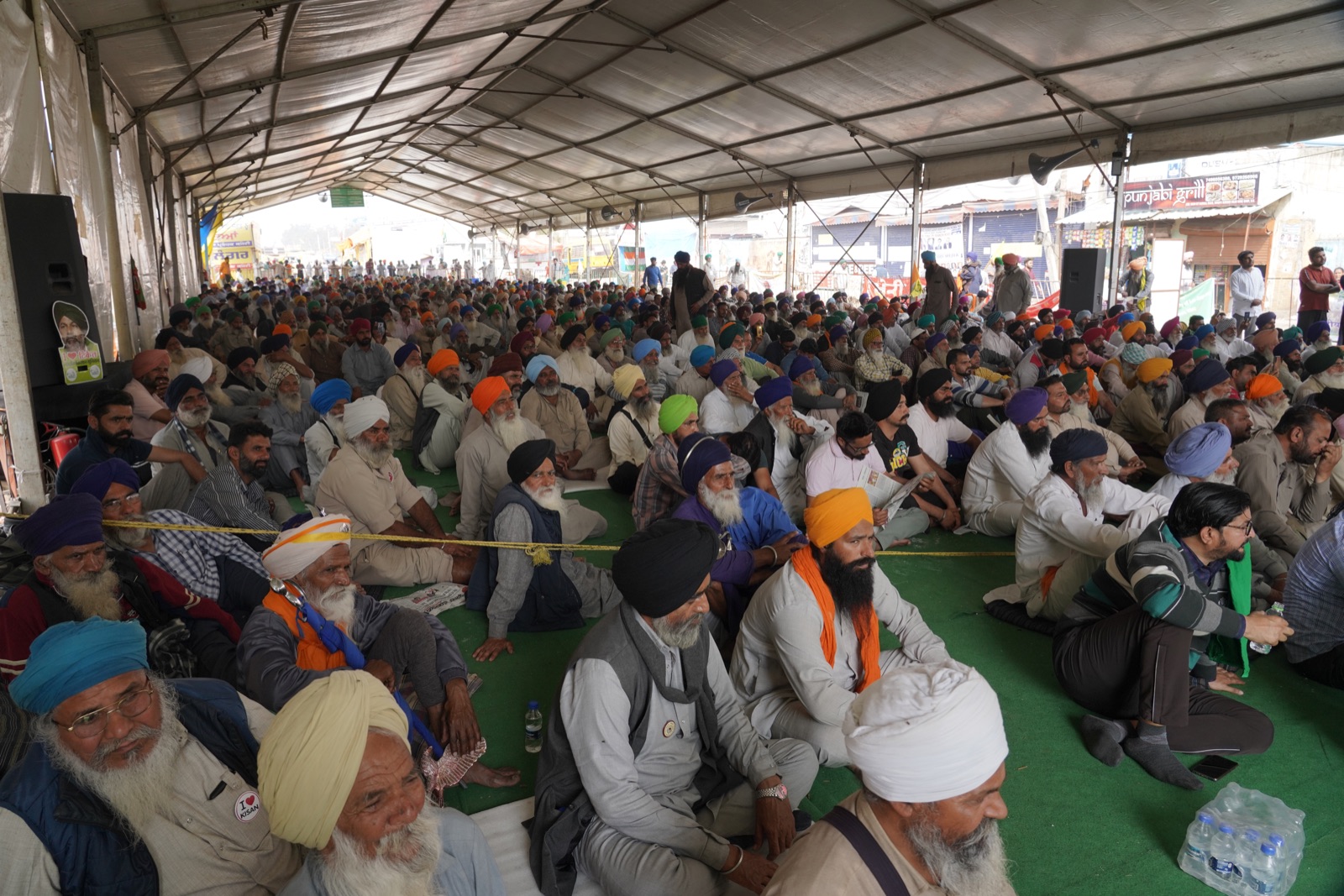
Congress MLAs have pressed the Gujarat government to declare drought without waiting until the end of the agricultural season.
The opposition argues that farmers in severely affected districts require assistance immediately rather than waiting for a later assessment. AAP has also raised concerns over the government's response and demanded stronger measures for affected farming communities.
The issue could become politically significant if rainfall remains below normal and agricultural losses increase.
Government Announces Support Measures
The state government has pointed to several measures already being taken to support farmers.
Agricultural power supply has been increased from eight to ten hours in 21 districts, while the government has also arranged short-term power purchases. Fodder distribution arrangements have also been made, with substantial stocks available for livestock.