Gujarat Politics: Development, Industry and Governance Shape the State’s Political Landscape
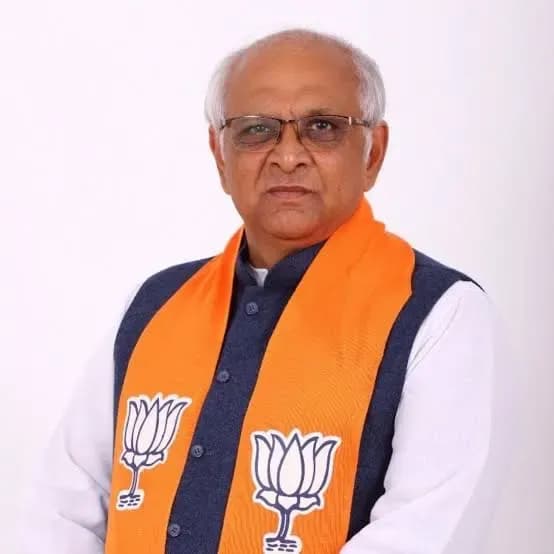
Gujarat holds an important position in India's political and economic landscape. The state is known for its industrial base, business environment and rapidly developing urban centres, while cities such as Ahmedabad, Surat, Vadodara and Rajkot remain important centres of economic activity.
The state's political discussion increasingly revolves around development, investment, employment, infrastructure, agriculture and public services.
Development Remains a Major Political Theme
Infrastructure and economic development continue to feature prominently in Gujarat's political narrative. Industrial projects, transportation networks, urban development and investment initiatives are frequently discussed by political leaders and policymakers.
For the government, maintaining economic growth while ensuring that development benefits different regions of the state remains an important challenge.
Political Competition and Opposition Strategy
The BJP remains the dominant political force in Gujarat, while opposition parties continue working to expand their organisational presence.
The opposition is expected to focus on issues such as employment, prices, agriculture, public services and government accountability.
Political parties (opens in a new tab) are also increasingly using digital platforms, public meetings and grassroots campaigns to communicate with voters.
Readers can follow the activities and strategies of major Political Parties through Indian Rajniti.
Ahmedabad and Urban Development
Ahmedabad remains one of Gujarat's most important political and economic centres. Urban infrastructure, transportation, housing and employment opportunities are major concerns for residents.
Surat's textile and diamond industries, Rajkot's manufacturing sector and Vadodara's industrial base also contribute significantly to the state's economy.