How EVMs Actually Work: A Plain-English Guide to India's Voting Machines
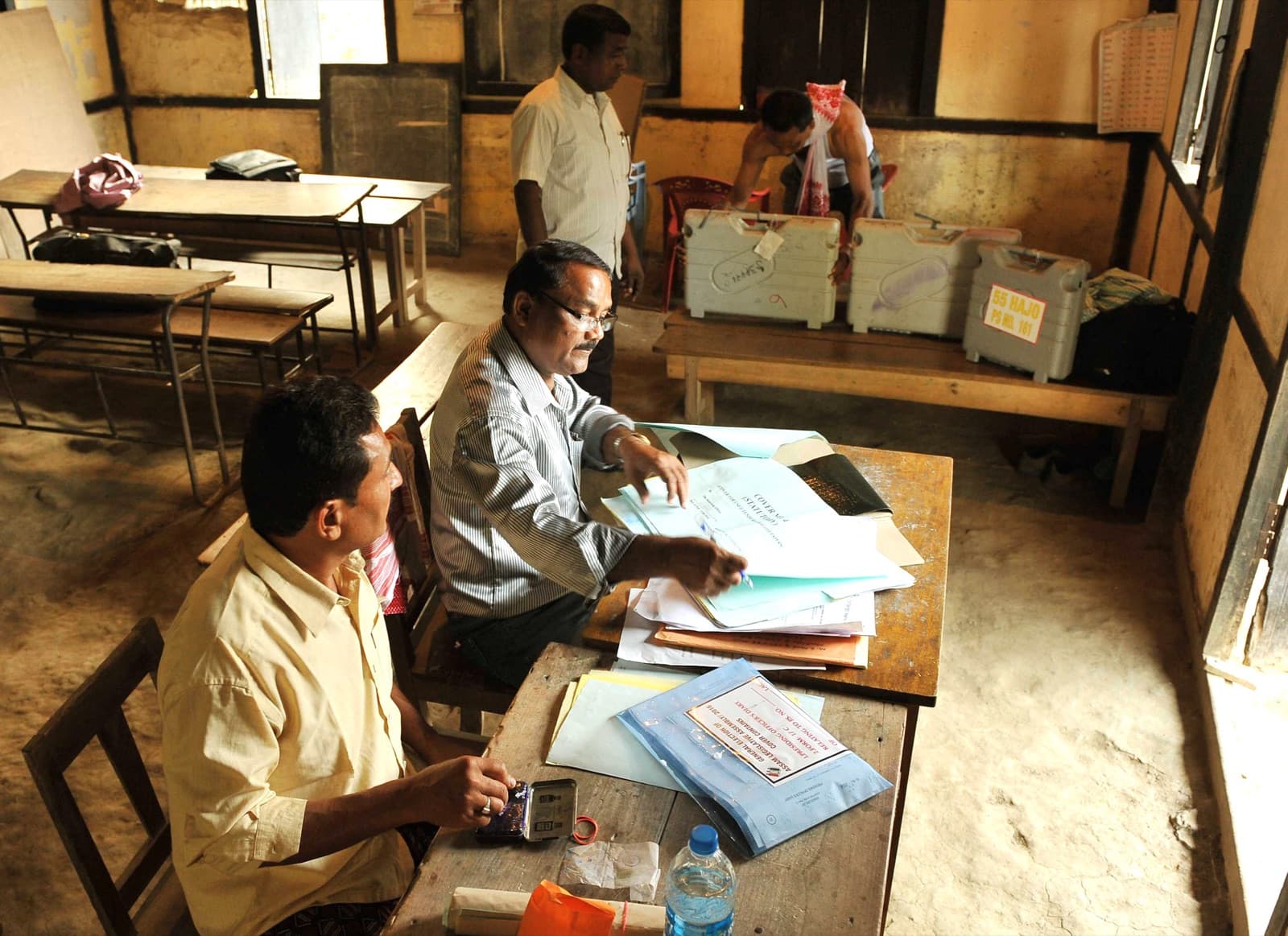
Electronic Voting Machines used in Indian elections consist of three linked components: a ballot unit where the voter casts their vote, a control unit operated by polling staff, and a VVPAT unit that prints a paper slip for the voter to visually verify.
Each machine is manufactured by one of two public sector undertakings and undergoes a multi-stage checking process before, during, and after polling, including a mandatory mock poll in the presence of candidate agents.
The VVPAT slips from a randomly selected set of polling stations in every assembly constituency are matched against the electronic count as a standard cross-verification step.
Despite the layered safeguards, EVMs remain a recurring subject of political dispute, with periodic calls from various parties for a return to paper ballots or a full VVPAT count.
“A walkthrough of the ballot unit, control unit, and VVPAT system — and the safeguards built into each stage of the process.”