Jharkhand Cabinet Clears 1932 Domicile Cut-Off Proposal Amid Political Debate
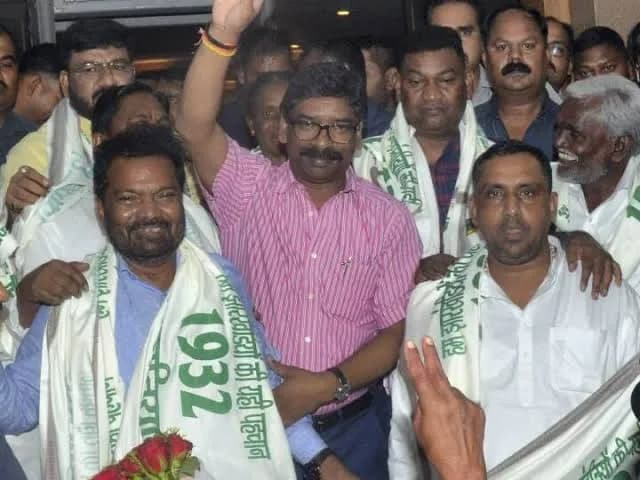
The Jharkhand government has moved forward with a long-standing domicile policy issue after the Hemant Soren-led Cabinet approved a proposal to use 1932 as the cut-off year for identifying local inhabitants of the state.
The proposal is linked to demands from Adivasi and Moolvasi organisations, which have argued for the use of historical land and revenue records to determine local status. Under the proposed framework, people whose names, or whose ancestors' names, appear in land records from 1932 or earlier could be considered local inhabitants.
The state government plans to introduce the draft Bill in the next Assembly session. It is also seeking protection for the legislation by proposing that it be placed in the Ninth Schedule of the Constitution.
The domicile issue has previously generated political and social debate in Jharkhand. Earlier attempts to establish a 1932-based policy faced legal and political challenges, while a later policy using 1985 as the cut-off year also attracted opposition from groups demanding the earlier benchmark.
The latest Cabinet decision has therefore brought the issue back into the centre of Jharkhand Politics, with questions surrounding employment, education, land rights and opportunities for local residents.
The proposal could also become part of the wider Political War (opens in a new tab) between the ruling coalition and opposition parties, particularly over how the policy could affect different communities and regions of the state.
The position of different Political Parties (opens in a new tab) will remain important as the Bill moves towards the Assembly. Congress leaders in Jharkhand have already expressed differences over the proposed 1932 cut-off, with concerns raised about its possible impact on people in the Kolhan region.
The next stage will be the introduction and consideration of the legislation in the Jharkhand Assembly. Its eventual implementation would also depend on the proposed constitutional protection and the legal process that follows.