Karnataka Elections: Key Issues Shaping Voter Sentiment

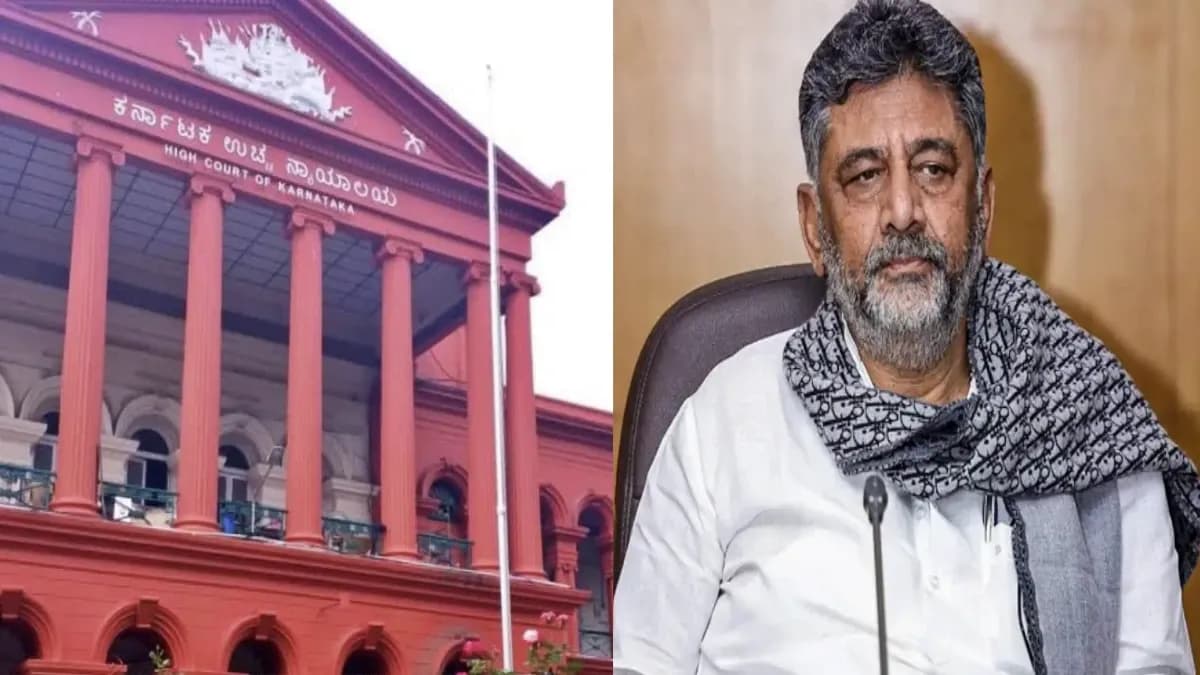
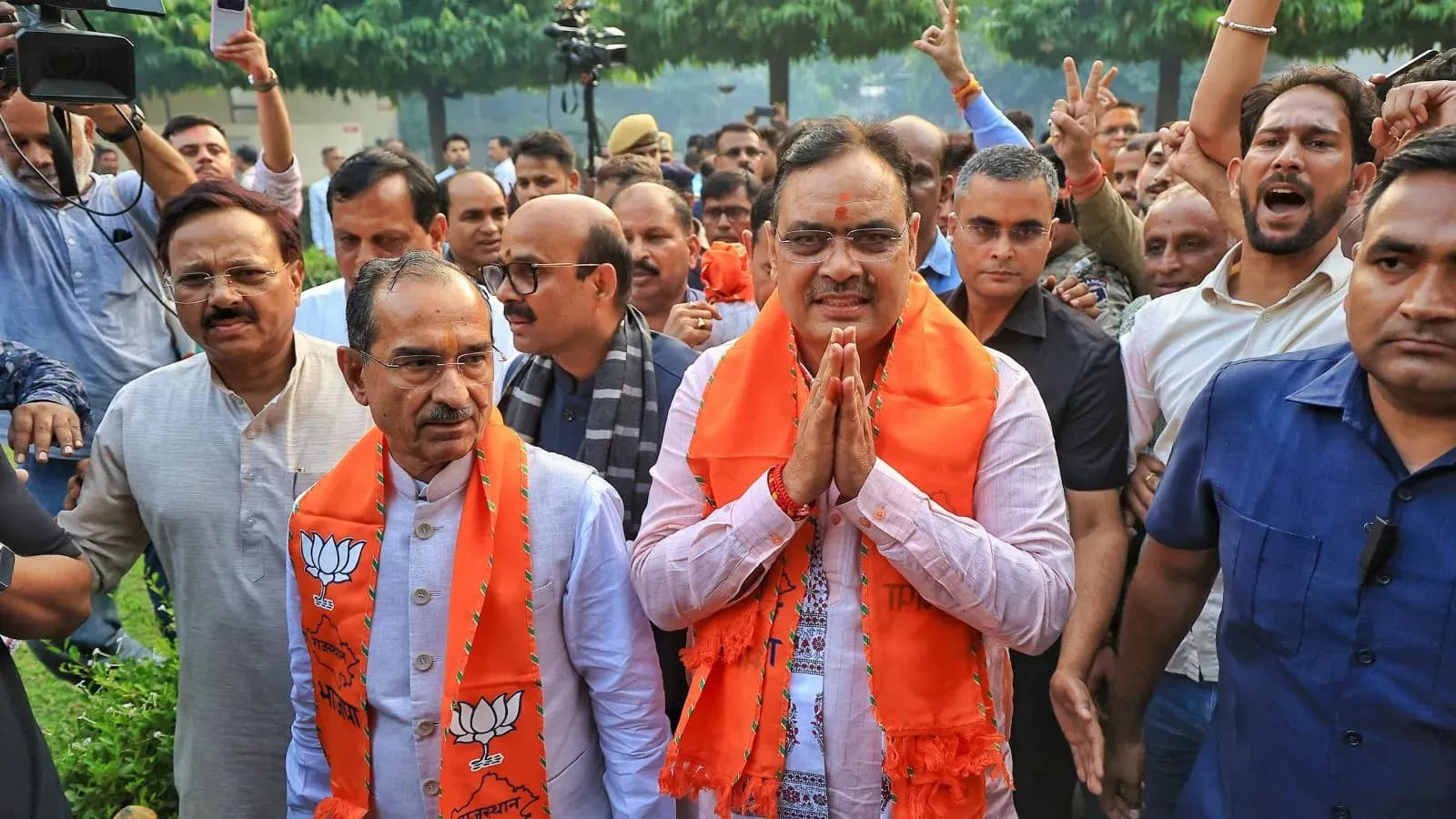
Karnataka elections (opens in a new tab) remain closely contested, with the BJP, Congress and regional parties such as JD(S) competing for political influence. The state’s electoral politics is shaped by a combination of governance, employment, economic development, infrastructure, agriculture, welfare policies, regional interests and local constituency issues.
Bengaluru’s development remains an important electoral concern, particularly around traffic congestion, public transport, infrastructure, housing, urban planning and the expansion of the city. As one of India’s major technology and business centres, Bengaluru’s economic performance and civic infrastructure can have a significant influence on political discussions.
In rural Karnataka, agriculture, irrigation, water availability, agricultural prices, rural employment and access to government services continue to be important concerns. Different regions of the state also have distinct political priorities, requiring parties to develop strategies that address both urban and rural electorates.
Leadership is another important factor in Karnataka elections. The public image of political leaders, their administrative record, campaign strategy and ability to connect with voters can influence electoral outcomes. Candidate selection is equally significant, as local reputation, organisational strength and constituency-level relationships can affect a party’s performance.
Political alliances can further reshape the electoral contest. Cooperation between parties may influence vote consolidation, candidate distribution and campaign strategies, particularly in closely fought constituencies. The relationship between state-level politics and national political developments can also affect voter preferences.
Social media and digital campaigning have become increasingly important in modern elections. Political parties (opens in a new tab) use digital platforms to communicate policies, reach younger voters and respond quickly to political developments. At the same time, misinformation and unverified political claims make responsible political communication and voter awareness increasingly important.