Karnataka Government Faces High Court Challenge Over Vande Mataram Singing Order
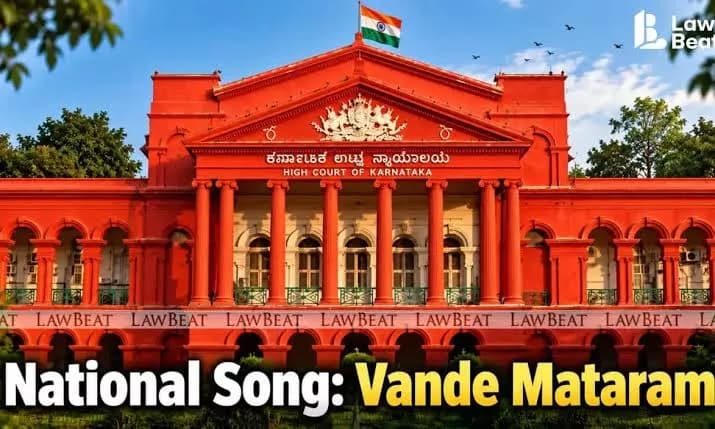
A legal and political debate has emerged in Karnataka after a Public Interest Litigation was filed before the Karnataka High Court challenging the state government's decision concerning the singing of Vande Mataram at government programmes.
The petition challenges a September 8 government order under which only the first two stanzas of Vande Mataram are to be sung at state government functions, except on occasions attended by constitutional dignitaries including the President, Vice-President, Prime Minister or Governor.
According to the petition, advocate Girish Bharadwaj has argued that the Karnataka government does not have legislative competence over the national song under the Seventh Schedule of the Constitution. The petition also refers to a July 9 communication from the Union Ministry of Home Affairs concerning the official version of Vande Mataram for mass singing.
The matter is now before the Karnataka High Court, where the legal questions surrounding the state government's order can be examined. The filing of a PIL does not by itself establish that the government's order is legally invalid; that question will be determined through the judicial process.
The controversy has become part of Karnataka Politics (opens in a new tab), with the government order attracting discussion about the roles of the state and Union governments.
The issue could also lead to a fresh Political War between the ruling Congress and opposition parties, particularly over questions concerning national symbols, government orders and constitutional authority.
The role of Political Parties (opens in a new tab) is also likely to remain significant as different political groups respond to the court proceedings and the government's position.
The High Court's consideration of the petition will determine the next stage of the dispute. Until the court rules on the matter, the competing legal arguments remain subject to judicial examination.
The case highlights how decisions involving national symbols can intersect with questions of constitutional powers and state administration