# Karnataka–Tamil Nadu Cauvery Water Dispute: Karnataka Plans Supreme Court Challenge Over 6,000 Cusecs Release | Indian Rajniti
BREAKING
HarperCollins Takes Over Sonia Gandhi’s Memoir Following Dramatic Penguin Exit Over Manuscript Cuts • Ladakh LG Approves Autonomous Hill Development Councils Across All Districts to Boost Local Governance • Massive Political Face-Off Erupts as CJP Stages Parliament Street Protest Over Jantar Mantar Assault Case
# Karnataka–Tamil Nadu Cauvery Water Dispute: Karnataka Plans Supreme Court Challenge Over 6,000 Cusecs Release
Pradeep S V 9 Sept 2026 6 min read 207 views
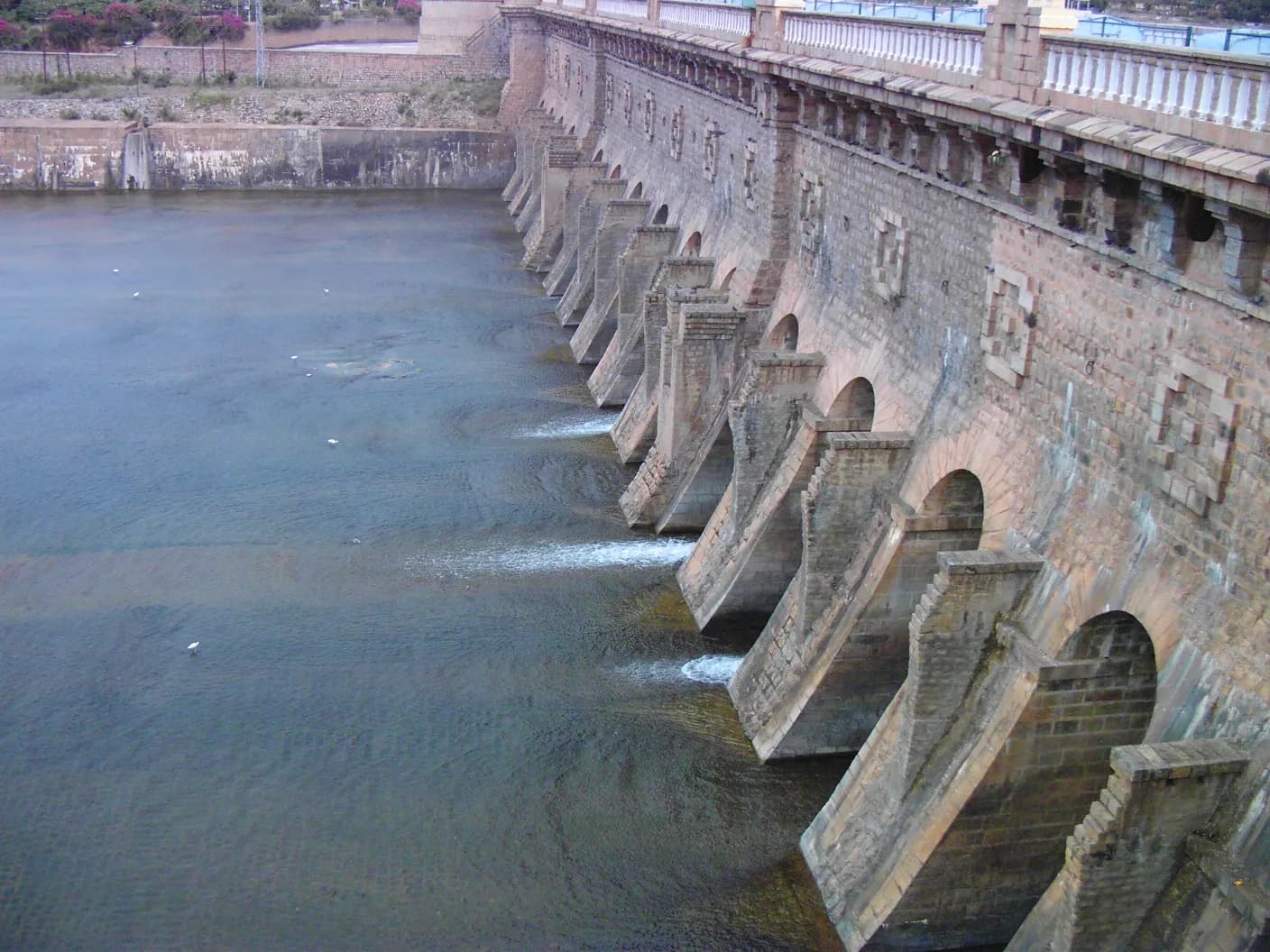
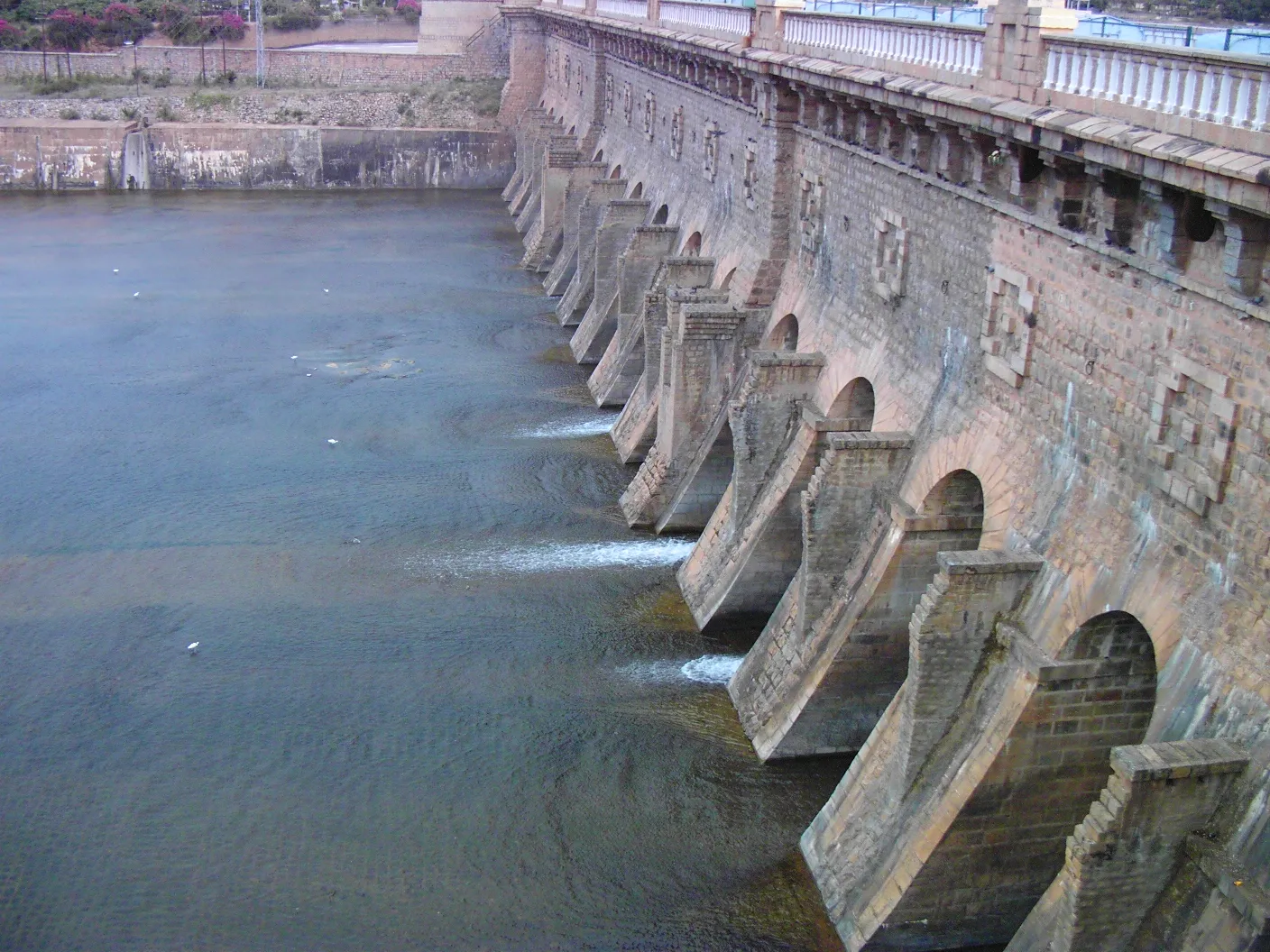
**Bengaluru, September 9, 2026:** The long-running Cauvery water dispute between Karnataka and Tamil Nadu has intensified once again after the Cauvery Water Management Authority (CWMA) directed Karnataka to ensure the release of **6,000 cusecs of Cauvery water per day to Tamil Nadu for 15 days**.
The latest direction has triggered strong reactions in Karnataka, with the state government expressing reservations about releasing the mandated quantity amid concerns over reservoir storage, reduced inflows and the state's own drinking-water and irrigation requirements. Karnataka is also considering approaching the **Supreme Court** against the direction.
## What is the latest Cauvery water order?
The **Cauvery Water Regulation Committee (CWRC)** recently recommended that Karnataka release water at a rate of **6,000 cusecs per day** so that the required quantity reaches Tamil Nadu at the interstate measurement point at **Biligundulu**.
The recommendation was subsequently considered by the **Cauvery Water Management Authority**, which upheld the 6,000-cusecs release direction.
The latest release period is for **15 days beginning September 9, 2026**.
A flow of 6,000 cusecs every day for 15 days amounts to approximately **7.8 TMC feet** of water.
## Why is Karnataka opposing the release?
Karnataka has raised concerns about the availability of water in its Cauvery basin reservoirs and the amount of water flowing into them.
The state government has argued that the water situation needs to be assessed in light of rainfall, reservoir storage and inflows before imposing additional release requirements.
Karnataka is also concerned about ensuring sufficient water for its own essential requirements, particularly **drinking water and irrigation**.
The state has indicated that it is considering legal options, including approaching the Supreme Court, to challenge the latest direction.
## Why does Tamil Nadu want the water?
Tamil Nadu has consistently maintained that Karnataka must release the water due to the state under the established Cauvery water-sharing framework.
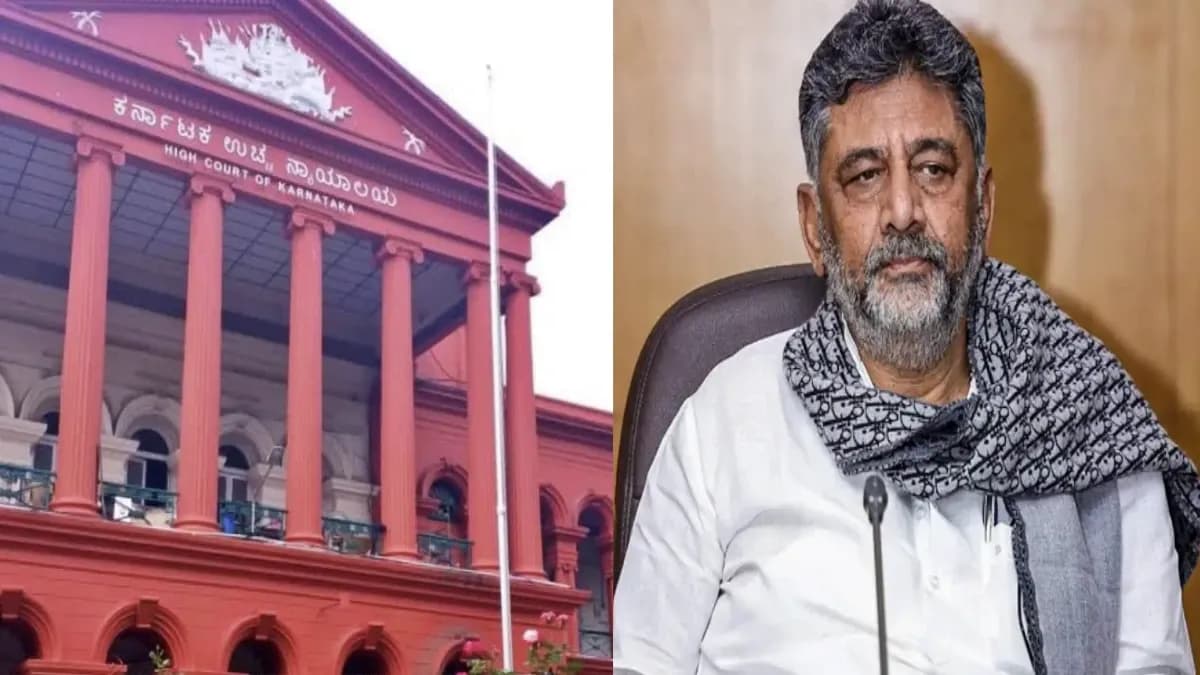
A Public Interest Litigation has been filed in the Karnataka High Court challenging the state government’s decision to restrict the singing of Vande Mataram to its first two stanzas at official events. The petition has raised questions over the state government’s authority and its alignment with a Union government directive.
The Cauvery is particularly important to Tamil Nadu's agricultural regions, where river water is used extensively for irrigation. The river also supports drinking-water and other requirements.
During periods of inadequate rainfall, Tamil Nadu depends more heavily on regulated releases from Karnataka's reservoirs to maintain water availability downstream.
Tamil Nadu had sought a higher quantity of water during the latest proceedings, while the CWRC ultimately recommended a release of 6,000 cusecs per day.
## What is the Cauvery Water Management Authority?
The **Cauvery Water Management Authority (CWMA)** is the institutional mechanism responsible for implementing and monitoring the sharing of Cauvery river water between the basin states.
The authority examines factors such as:
* Reservoir storage
* Rainfall
* Water inflows
* Water availability
* Irrigation requirements
* Drinking-water requirements
* Downstream needs
The **Cauvery Water Regulation Committee (CWRC)** assists the authority by monitoring water releases and providing recommendations based on prevailing hydrological conditions.
## Why is Biligundulu important?
**Biligundulu**, located on the Karnataka–Tamil Nadu border, is an important point for measuring the quantity of Cauvery water flowing from Karnataka into Tamil Nadu.
Therefore, when water-release directions are issued, the authorities consider the quantity that actually reaches the interstate measurement point rather than simply the amount released from an upstream Karnataka reservoir.
This distinction is important because water released from a reservoir has to travel downstream before reaching the measurement point.
## Recent sequence of Cauvery water directions
The latest order follows several directions issued during the preceding weeks.
Earlier, Karnataka had been directed to release larger quantities of water to Tamil Nadu. Subsequent assessments reduced the required release from **12,000 cusecs to 9,000 cusecs**, followed by the latest direction of **6,000 cusecs per day for 15 days**.
The successive revisions reflect continuing assessments of rainfall, inflows, reservoir levels and water requirements.
## Karnataka's legal option
Following the latest CWMA decision, Karnataka has indicated that it may approach the **Supreme Court**.
The state government's proposed legal challenge is based primarily on its concerns regarding water availability and the impact of the release requirement on Karnataka's own water needs.
Any decision by the Supreme Court could have an immediate impact on the implementation of the current release direction, depending on whether the Court grants interim relief or modifies the order.
## Tamil Nadu's position
Tamil Nadu has maintained that Karnataka should comply with the directions issued under the Cauvery water-management framework.
For Tamil Nadu, the issue is particularly important because the Cauvery is a major source of irrigation water in the state's Cauvery delta region.
Tamil Nadu's position is that Karnataka's reservoir conditions and water releases must be assessed within the broader framework governing the interstate sharing of Cauvery waters.
## Why the dispute is politically sensitive
The Cauvery dispute has historically been one of the most politically sensitive interstate water disputes in India.
Any decision concerning water releases can generate strong reactions from:
* Farmers in Karnataka
* Farmers in Tamil Nadu
* State political parties
* Water-resource authorities
* Farmer organisations
* Civil-society groups
In Karnataka, political leaders face pressure to protect the state's drinking-water and irrigation requirements.
In Tamil Nadu, political leaders face pressure from farmers and other stakeholders to ensure that the state's allocated Cauvery water is made available.
As a result, even temporary release directions can quickly become a major political issue.
## Impact on farmers
Farmers are among the groups most directly affected by the dispute.
In Karnataka, farmers depend on Cauvery reservoirs for irrigation, particularly in areas of the state's Cauvery basin.
In Tamil Nadu, farmers in the Cauvery delta depend heavily on timely water availability for agricultural operations.
When rainfall is inadequate, competition for available reservoir water becomes more intense, making the timing and quantity of interstate releases particularly important.
## Impact on Bengaluru and drinking water
The Cauvery is also crucial for **Bengaluru's drinking-water supply**.
Consequently, decisions concerning the management of Cauvery reservoirs are closely watched in Bengaluru. The Karnataka government must balance interstate release requirements with the need to maintain adequate water reserves for drinking-water supply.
This makes the issue more than an agricultural dispute—it is also connected to urban water security.
## What happens next?
The next major developments are expected to revolve around Karnataka's legal and administrative response.
Key issues to watch include:
1. Whether Karnataka formally approaches the Supreme Court.
2. Whether the Supreme Court grants interim relief or changes the current release direction.
3. Reservoir storage levels in Karnataka's Cauvery basin.
4. Rainfall and inflow conditions in the Cauvery catchment.
5. The quantity of water actually reaching Biligundulu.
6. Tamil Nadu's response to Karnataka's compliance with the direction.
7. The next assessment by the CWRC and CWMA after the current 15-day period.
## A continuing interstate water dispute
The latest 6,000-cusecs order does not permanently resolve the Cauvery dispute. Instead, it is another temporary direction issued amid changing water availability and competing demands from the two states.
The fundamental challenge remains the same: **how to share a limited and highly variable river resource between two states whose agricultural, drinking-water and economic needs depend heavily on the Cauvery.**
For now, the immediate focus is on Karnataka's response to the latest CWMA direction and whether the state proceeds with a challenge before the Supreme Court.
The situation is likely to remain politically sensitive in both Karnataka andTamil Nadu (opens in a new tab) until the current release period ends and the water-management authorities conduct their next assessment.
“Karnataka is considering a Supreme Court challenge against the direction to release 6,000 cusecs of Cauvery water daily to Tamil Nadu for 15 days, amid concerns over reservoir levels, rainfall and the state's own drinking-water and irrigation needs.”
Rajasthan’s urban local-body election results have brought a closely contested political picture, with the BJP leading the declared ward count while Congress and independent candidates also securing substantial support. Repolling in some wards is set to complete the remaining results.
The upcoming Nandigram Assembly bypoll has triggered fresh political discussions in West Bengal after a Congress leader claimed that the Trinamool Congress had offered the seat to Congress. The TMC denied making such a proposal, adding another point of contention ahead of the October 6 bypoll.
The Supreme Court has resumed final hearings in petitions concerning the Shiv Sena split and the disqualification of MLAs from the Eknath Shinde-led faction. The Shinde camp is defending the Election Commission’s decision recognising its organisational majority in the party dispute.