Mayawati Removes Akash Anand From BSP: A Major Leadership Shake-Up
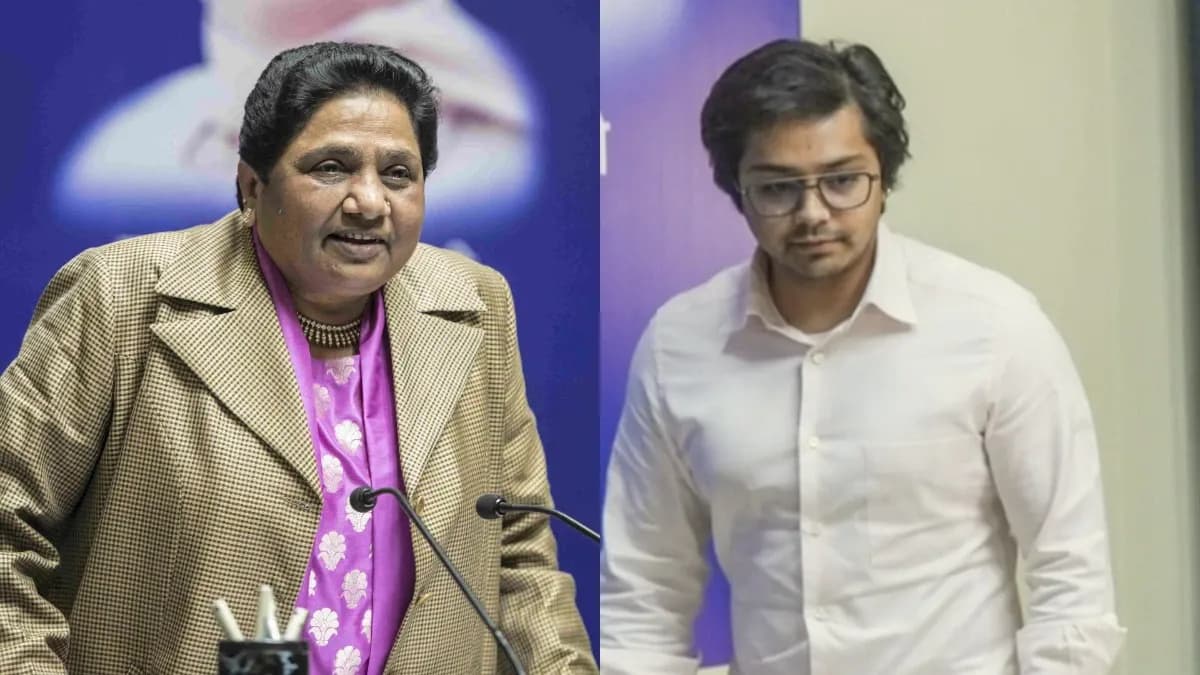
Indian politics has witnessed a major development within the Bahujan Samaj Party (BSP) after party chief Mayawati removed her nephew Akash Anand from the organisation. The decision comes after a series of developments involving Anand and his father-in-law, former Rajya Sabha member Ashok Siddharth, putting the BSP's internal leadership structure back in the spotlight.
The move is significant because Akash Anand had emerged as one of the prominent younger faces of the BSP and had been viewed as an important part of discussions surrounding the party's future leadership.
Mayawati Takes Strong Action
According to reports, Mayawati decided to remove Akash Anand after expressing dissatisfaction with his response to the political developments surrounding Ashok Siddharth. Mayawati had earlier asked Siddharth to retire from active politics, a request that he subsequently accepted.
Mayawati reportedly viewed Anand's position on the matter as insufficiently aligned with the party's interests. The BSP chief has stressed the importance of putting the organisation and its political mission above personal and family relationships.
The decision demonstrates that Mayawati continues to exercise strong control over the BSP and its organisational affairs.
Akash Anand's Political Journey
Akash Anand had become increasingly visible in BSP activities and was seen as a younger representative of the party. His rise had attracted attention because the BSP has traditionally been closely associated with Mayawati's leadership.
The emergence of a younger leadership generation has been an important question for the party. With Mayawati remaining the central figure, the question of how the BSP will develop its leadership structure for the future has continued to attract political attention.
The latest decision could therefore have consequences beyond one individual and may influence the party's organisational strategy in the coming months.
Impact on Uttar Pradesh Politics
Uttar Pradesh remains one of the most politically important states in India, with the BSP continuing to maintain a distinct political identity despite changes in its electoral performance.
The party's core political influence has historically been connected with Dalit representation and its social coalition strategy. Any major change in its leadership structure can therefore have implications for the broader political competition in the state.