Parliament Politics in Karnataka: Parties, Representation and the State’s Role in National Politics | Indian Rajniti
BREAKING
HarperCollins Takes Over Sonia Gandhi’s Memoir Following Dramatic Penguin Exit Over Manuscript Cuts • Ladakh LG Approves Autonomous Hill Development Councils Across All Districts to Boost Local Governance • Massive Political Face-Off Erupts as CJP Stages Parliament Street Protest Over Jantar Mantar Assault Case
Parliament Politics in Karnataka: Parties, Representation and the State’s Role in National Politics
Haripriya 1 Sept 2026 4 min read 514 views
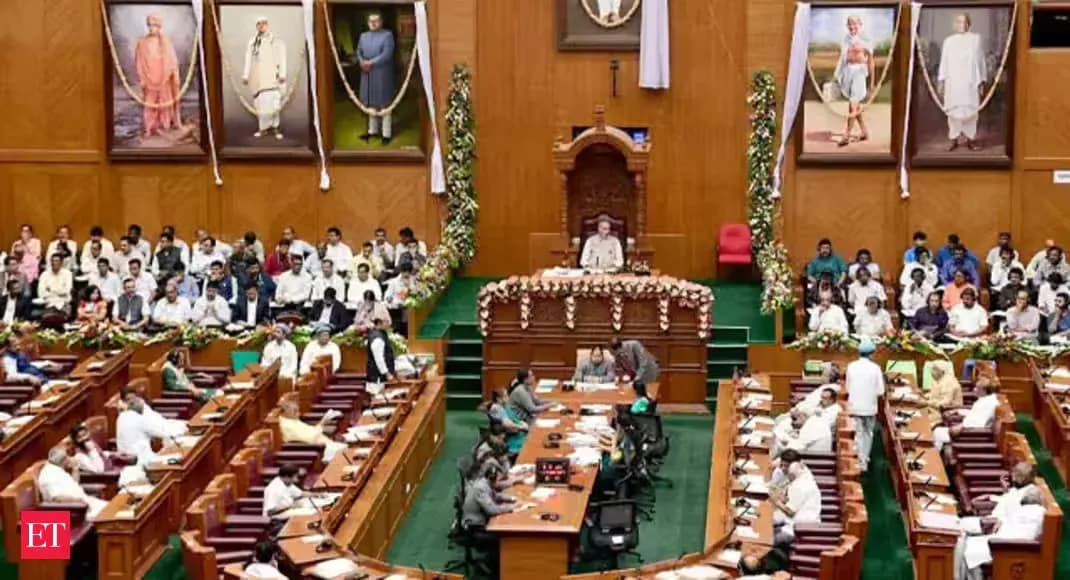
As one of India’s major states, Karnataka sends elected representatives to both the Lok Sabha and Rajya Sabha. The political developments in the state often have an impact beyond Karnataka, particularly because the state has a strong presence of national and regional political parties.
Karnataka has 28 Lok Sabha constituencies, making it an important state in national elections. Members of Parliament elected from these constituencies represent the interests of people from different regions of Karnataka in the Lok Sabha.
The state also contributes members to the Rajya Sabha, where representatives participate in discussions and legislative processes at the national level.
Karnataka’s parliamentary politics covers a wide range of issues, including infrastructure, agriculture, employment, education, water resources, Bengaluru’s development, industrial growth, and the interests of rural communities.
Major Political Parties in Karnataka
The political landscape of Karnataka has traditionally been dominated by three major political forces: the Bharatiya Janata Party (BJP), the Indian National Congress (INC), and the Janata Dal (Secular), or JD(S).
[Bharatiya Janata Party (BJP)(https://www.indianrajniti.in/bjp-bhartiye-janata-party/)
The BJP has developed a strong political presence in Karnataka and has played an important role in both state and national elections. Its parliamentary representatives from Karnataka contribute to debates on national policies and issues affecting the state.
The party has traditionally received significant support in several regions of Karnataka and has competed closely with the Congress in many elections.
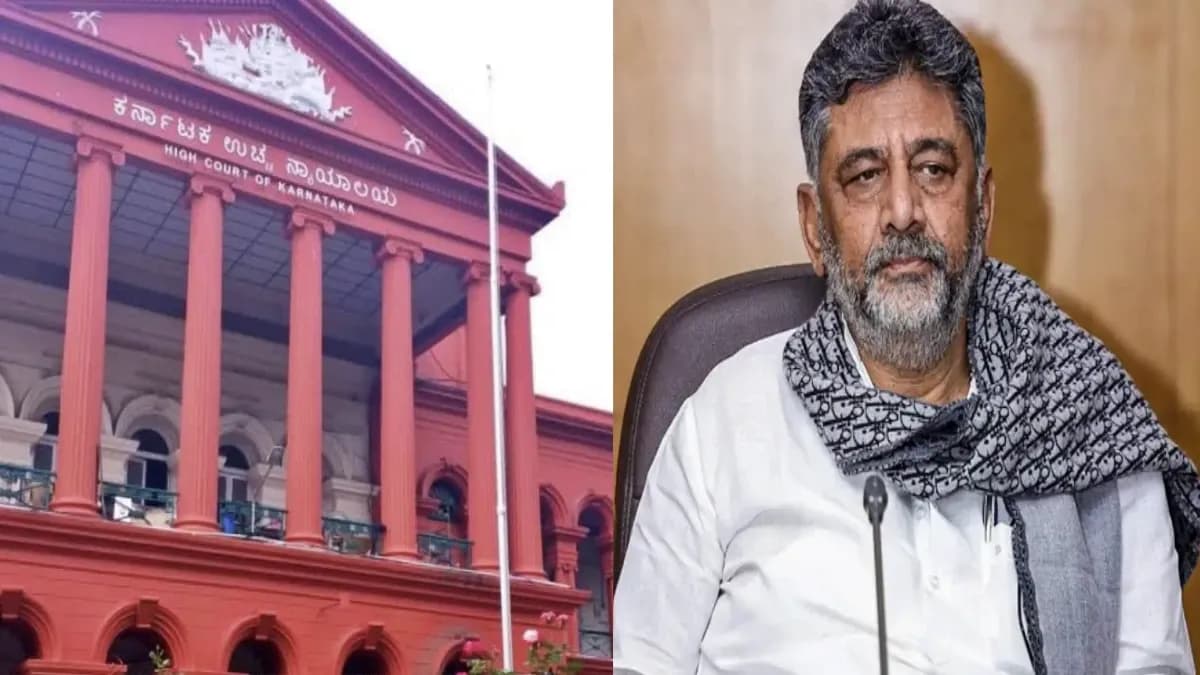
A Public Interest Litigation has been filed in the Karnataka High Court challenging the state government’s decision to restrict the singing of Vande Mataram to its first two stanzas at official events. The petition has raised questions over the state government’s authority and its alignment with a Union government directive.
The Congress has a long political history in Karnataka and remains one of the state's major political parties. Its MPs represent constituencies across Karnataka and participate in national parliamentary debates.
The party focuses on issues including welfare programmes, economic development, social policies, employment, education, and state interests in national policymaking.
[Janata Dal (Secular) — JD(S)(https://www.indianrajniti.in/jdu-janata-dal-united/)
JD(S) is a prominent regional political party with a long-standing presence in Karnataka. Although its electoral strength has varied over different elections, the party has remained an important part of Karnataka's political landscape.
Its influence has traditionally been stronger in parts of southern Karnataka, and its political alliances can be significant in both state and national politics.
Parliamentary Competition in Karnataka
Elections in Karnataka are often closely contested between major political parties. Different regions of the state have their own political preferences and important local issues.
Bengaluru and other urban areas often focus heavily on infrastructure, traffic, employment, technology, and urban development. Rural constituencies may give greater importance to agriculture, irrigation, rural roads, prices of agricultural products, and employment opportunities.
Because Karnataka has a combination of large urban centres and extensive rural areas, political parties need to address a wide range of issues while seeking electoral support.
Karnataka and National Alliances
Political alliances can have an important impact on parliamentary politics. National parties and regional parties may work together during elections or on specific political issues.
The relationship between the BJP and JD(S), as well as competition between the BJP and Congress, has attracted considerable political attention in Karnataka. Alliances can influence electoral strategies, constituency-level competition, and the balance of political power.
Key Issues in Karnataka’s Parliamentary Politics
Several issues regularly appear in political discussions involving Karnataka:
Development of Bengaluru and other major cities
Employment and economic growth
Agriculture and farmers' concerns
Water-sharing disputes
Infrastructure and transportation
Education and skill development
Industrial and technology investments
Rural development
Social welfare
State–Centre relations
These issues often influence both parliamentary debates and election campaigns.
The Importance of Karnataka MPs
Members of Parliament from Karnataka have an important responsibility to represent the interests of their constituencies at the national level. Their role includes participating in parliamentary debates, raising constituency concerns, contributing to legislation, and bringing attention to issues affecting Karnataka.
The effectiveness of parliamentary representation depends not only on party affiliation but also on how effectively MPs communicate local concerns within national policymaking.
The Future of Karnataka’s Parliamentary Politics
Karnataka's political landscape is likely to remain highly competitive. The growing importance of young voters, urbanisation, social media, technology, and changing voter expectations will continue to influence elections.
Political parties will need to respond to both traditional concerns such as agriculture and rural development and newer challenges such as urban infrastructure, digital governance, employment, and sustainable development.
Conclusion
Karnataka occupies an important position in India's parliamentary politics. With 28 Lok Sabha constituencies and a politically active electorate, the state can play a significant role in determining the national political balance.
The BJP, Congress, and JD(S) remain important names in Karnataka's political landscape, while alliances and changing voter preferences continue to shape electoral competition.
Ultimately, the strength of parliamentary democracy depends on informed citizens, accountable representatives, constructive political debate, and effective representation of public concerns.
“Karnataka plays a significant role in Indian parliamentary politics with 28 Lok Sabha seats, making it an important battleground for national parties. The BJP, Congress, and JD(S) are key political forces, with alliances and regional dynamics influencing electoral outcomes. Issues such as Bengaluru development, agriculture, employment, water disputes, and Centre–State relations remain central to Karnataka’s political discourse.”
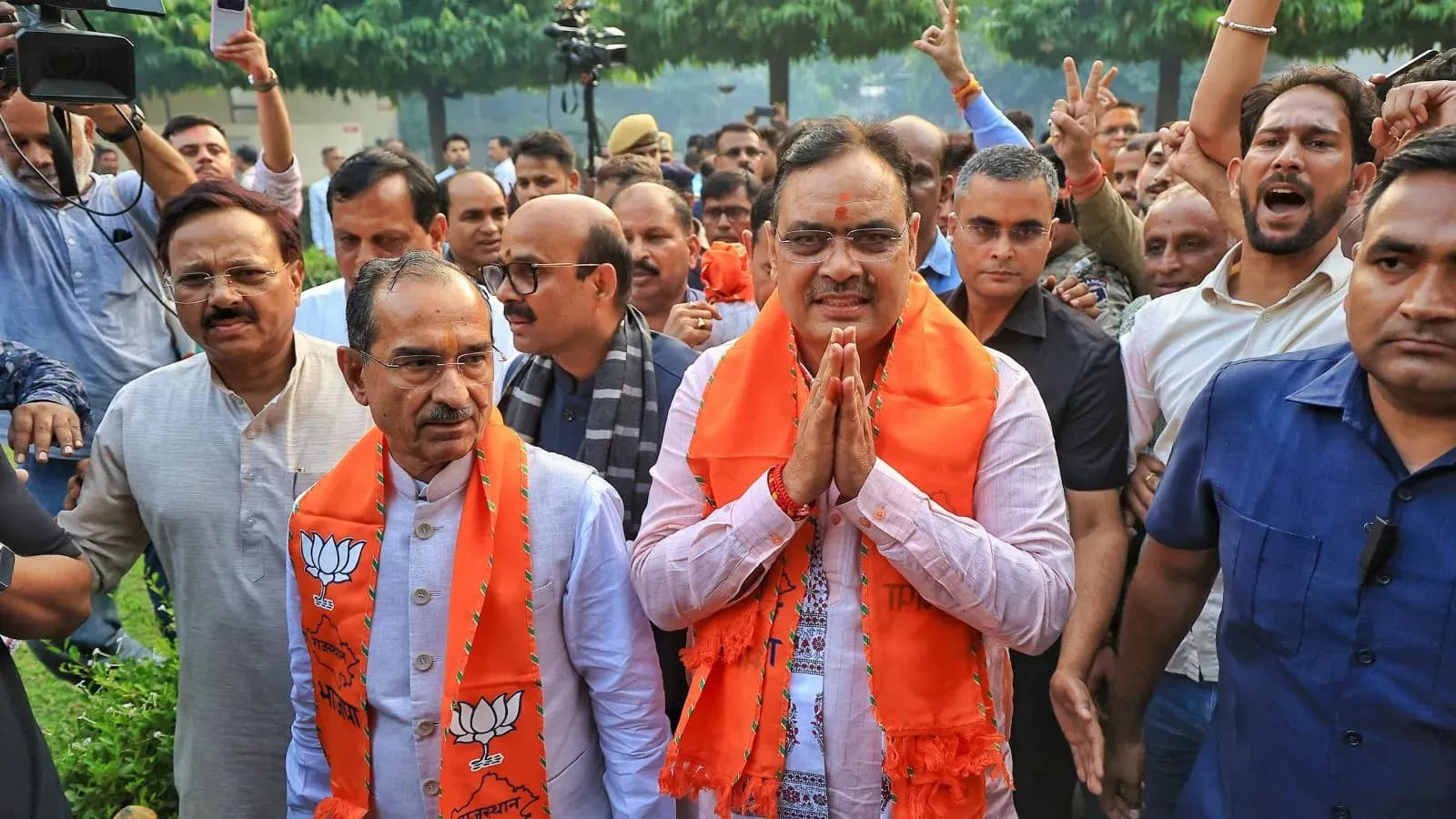
Rajasthan’s urban local-body election results have brought a closely contested political picture, with the BJP leading the declared ward count while Congress and independent candidates also securing substantial support. Repolling in some wards is set to complete the remaining results.
The upcoming Nandigram Assembly bypoll has triggered fresh political discussions in West Bengal after a Congress leader claimed that the Trinamool Congress had offered the seat to Congress. The TMC denied making such a proposal, adding another point of contention ahead of the October 6 bypoll.
The Supreme Court has resumed final hearings in petitions concerning the Shiv Sena split and the disqualification of MLAs from the Eknath Shinde-led faction. The Shinde camp is defending the Election Commission’s decision recognising its organisational majority in the party dispute.