Rahul Gandhi and the Changing Role of the Opposition in Indian Politics
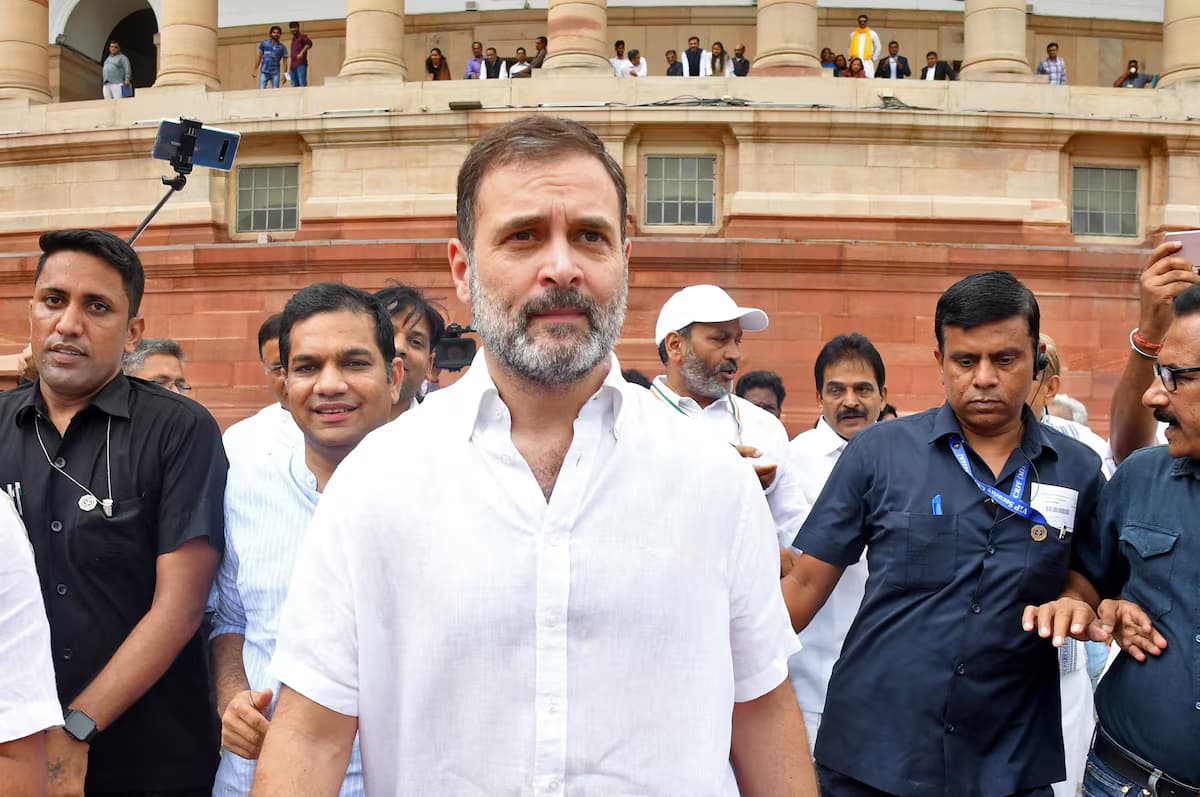
Rahul Gandhi has remained one of the prominent figures in Indian politics and an important leader of the Indian National Congress. Over the years, his political role has evolved as the Congress has sought to strengthen its position as a national opposition party.
As a senior Congress leader, Gandhi has frequently focused on issues concerning employment, economic opportunity, farmers, social welfare, education, and the functioning of public institutions. His political approach has often involved challenging government policies and presenting alternative positions on issues of national importance.
The role of the opposition is an essential part of a parliamentary democracy. Opposition parties are responsible for examining government policies, raising questions about their implementation, and presenting alternative ideas to voters. Gandhi's political activities have increasingly focused on this aspect of parliamentary politics.
Employment remains one of the major issues discussed by opposition parties. India's large young population creates a continuing demand for better employment opportunities, skills development, entrepreneurship, and economic growth. Political leaders frequently debate how government policies can create sustainable opportunities for young people.
Economic issues have also remained an important part of political discussions. Questions concerning inflation, income levels, small businesses, investment, and economic inequality often influence public debate. The government highlights economic growth and development initiatives, while opposition leaders examine their impact on ordinary citizens.
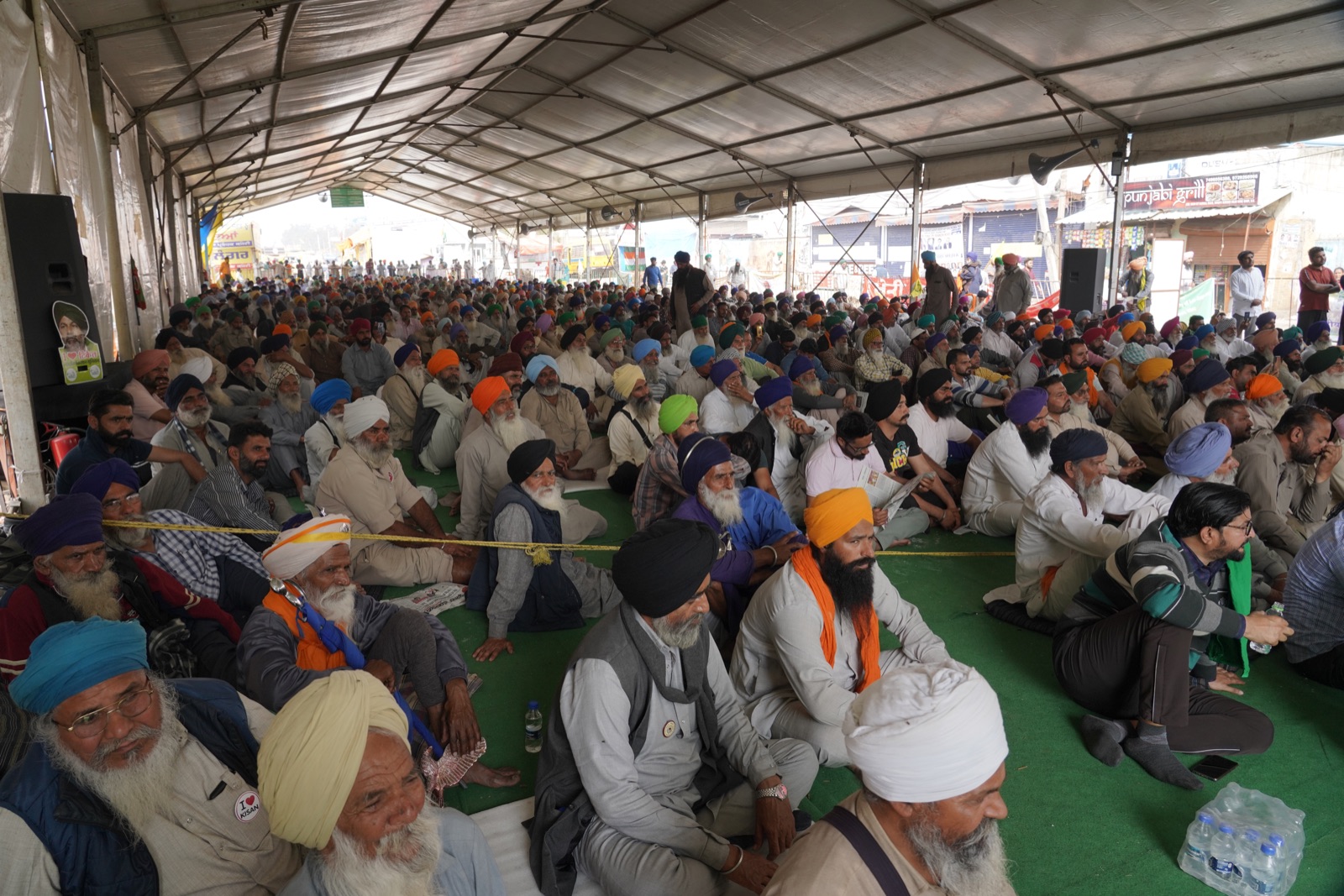
Agriculture and rural development are another significant area of political discussion. Farmers' incomes, irrigation, access to markets, rural infrastructure, and agricultural policies can have a direct impact on communities across the country. Opposition parties often use these issues to question government decisions and advocate for policy changes.
Gandhi has also placed emphasis on social and institutional issues. His political messaging has included discussions about democratic institutions, representation, constitutional values, and the relationship between citizens and government. These subjects have contributed to wider debates about the future direction of Indian democracy.
Digital communication has transformed political campaigning and public engagement. Like other major political leaders, Gandhi uses social media and public events to communicate directly with citizens. Political communication through digital platforms allows leaders to reach large audiences quickly while also creating opportunities for greater public interaction.