Rahul Gandhi Raises Adivasi Students’ Concerns with Maharashtra CM Devendra Fadnavis
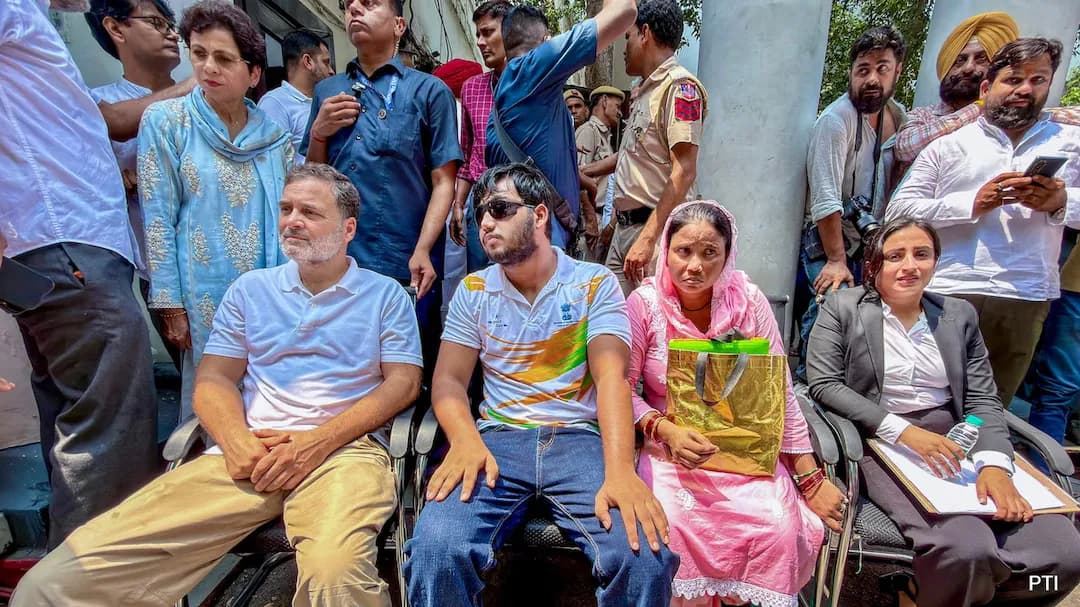
Congress leader and Leader of Opposition in the Lok Sabha Rahul Gandhi (opens in a new tab) intervened in the protest by Adivasi students in Pune, writing to Maharashtra Chief Minister Devendra Fadnavis and urging the state government to engage directly with the protesting students. The intervention brought wider political attention to concerns surrounding tribal student hostels, access to education, and the conditions faced by students from Adivasi communities.
The protests were linked to rules governing admission and residence in government-run tribal hostels across Maharashtra. An earlier government resolution introduced an age restriction, which was subsequently increased from 26 to 30 following protests. Students continued to demand the withdrawal of the restrictions and improvements in hostel facilities.
Rahul Gandhi's intervention focused on the broader question of educational access and dignity for tribal students. He called for direct dialogue with the students and highlighted concerns about rules and facilities that protesters argued were creating additional barriers to education. The issue therefore moved beyond a local student protest and became part of a wider political discussion about tribal welfare and government accountability.
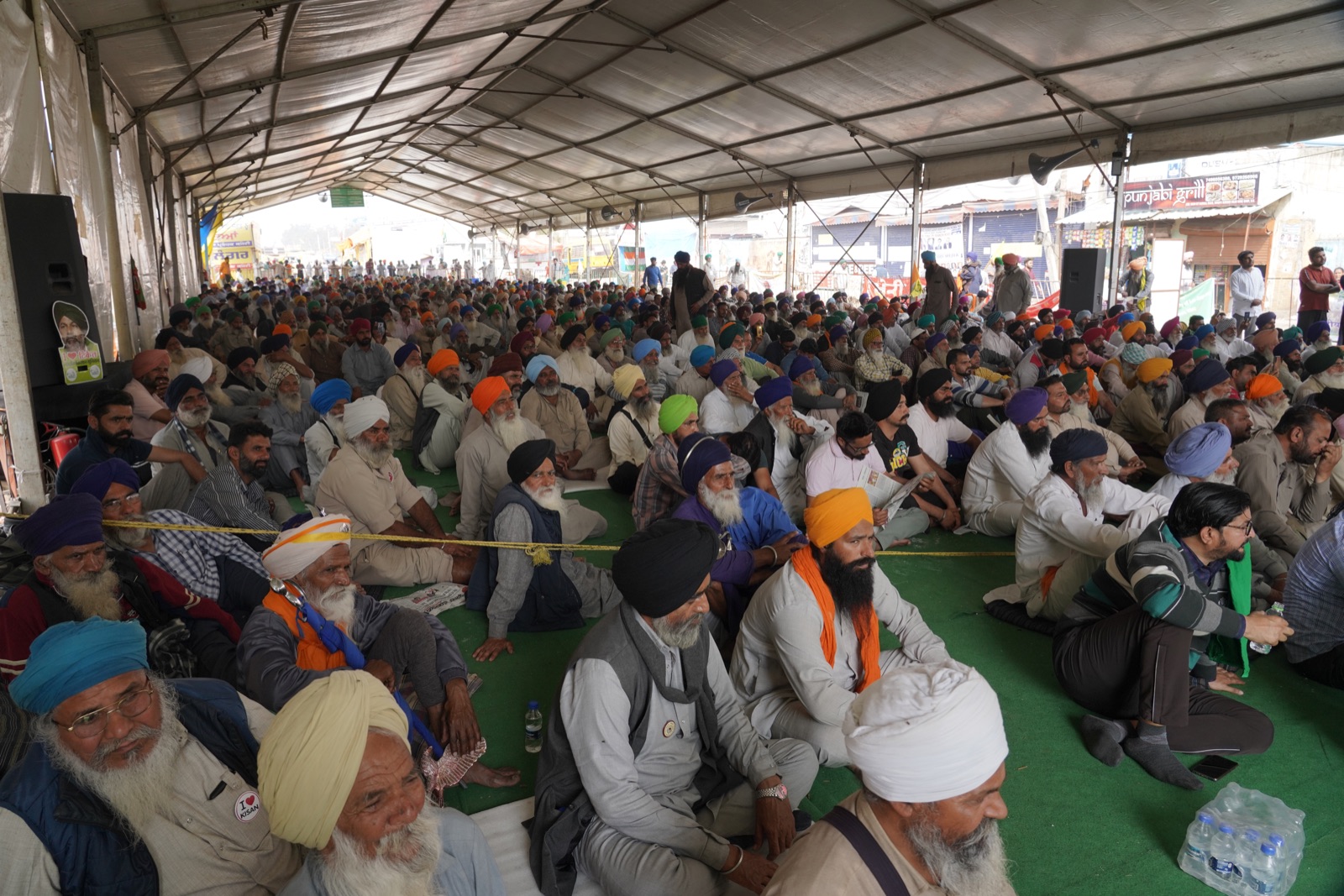
The controversy also attracted support from opposition groups and civil society voices, increasing political pressure on the Maharashtra government. The protests continued for several days, with students seeking concrete assurances rather than only verbal commitments from authorities.
A significant development followed when the Maharashtra government decided to remove the age limit for admission to tribal students' hostels. The decision came shortly after Rahul Gandhi's letter to Chief Minister Fadnavis. Maharashtra's Tribal Development Department operates hundreds of government hostels serving tens of thousands of students, making the policy change important for access to educational accommodation across the state.
The episode illustrates how student movements, opposition intervention and government policy can interact within a democratic political system. It also highlights the importance of ensuring that policies intended for disadvantaged communities do not unintentionally create additional barriers to education.