Rajasthan Civic Polls: BJP-Congress Battle Intensifies as First Phase Sees Clashes and Voting Disputes
Rajasthan’s urban local body elections have emerged as a major political test for the BJP government and the Congress opposition. The first phase of polling on September 9 witnessed a high level of political activity, with clashes, allegations of bogus voting, EVM-related complaints and heated exchanges reported from several areas.
The elections cover hundreds of urban local bodies across the state and are being closely watched because the results could influence the political atmosphere in Rajasthan.
BJP Intensifies Election Campaign
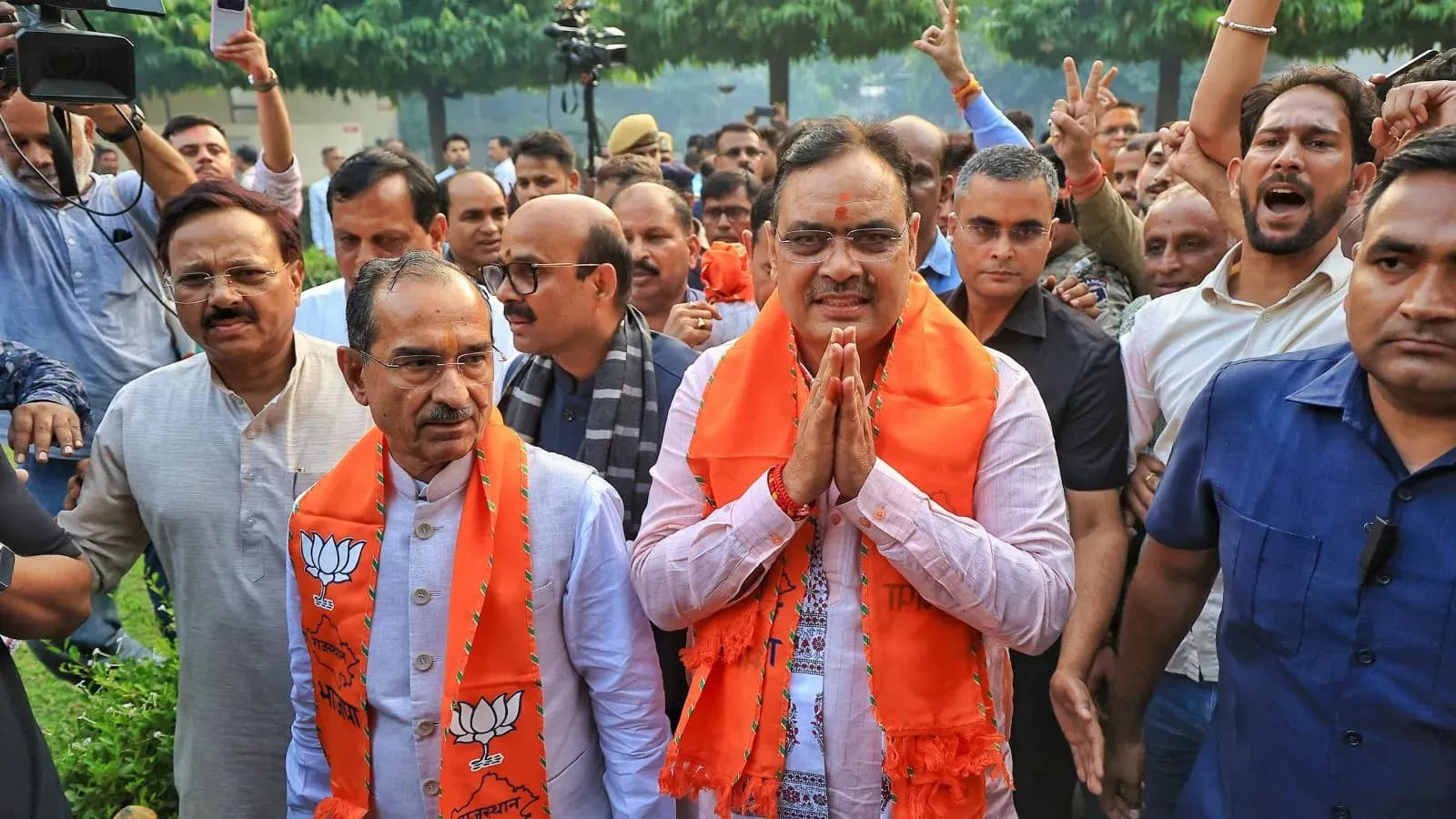
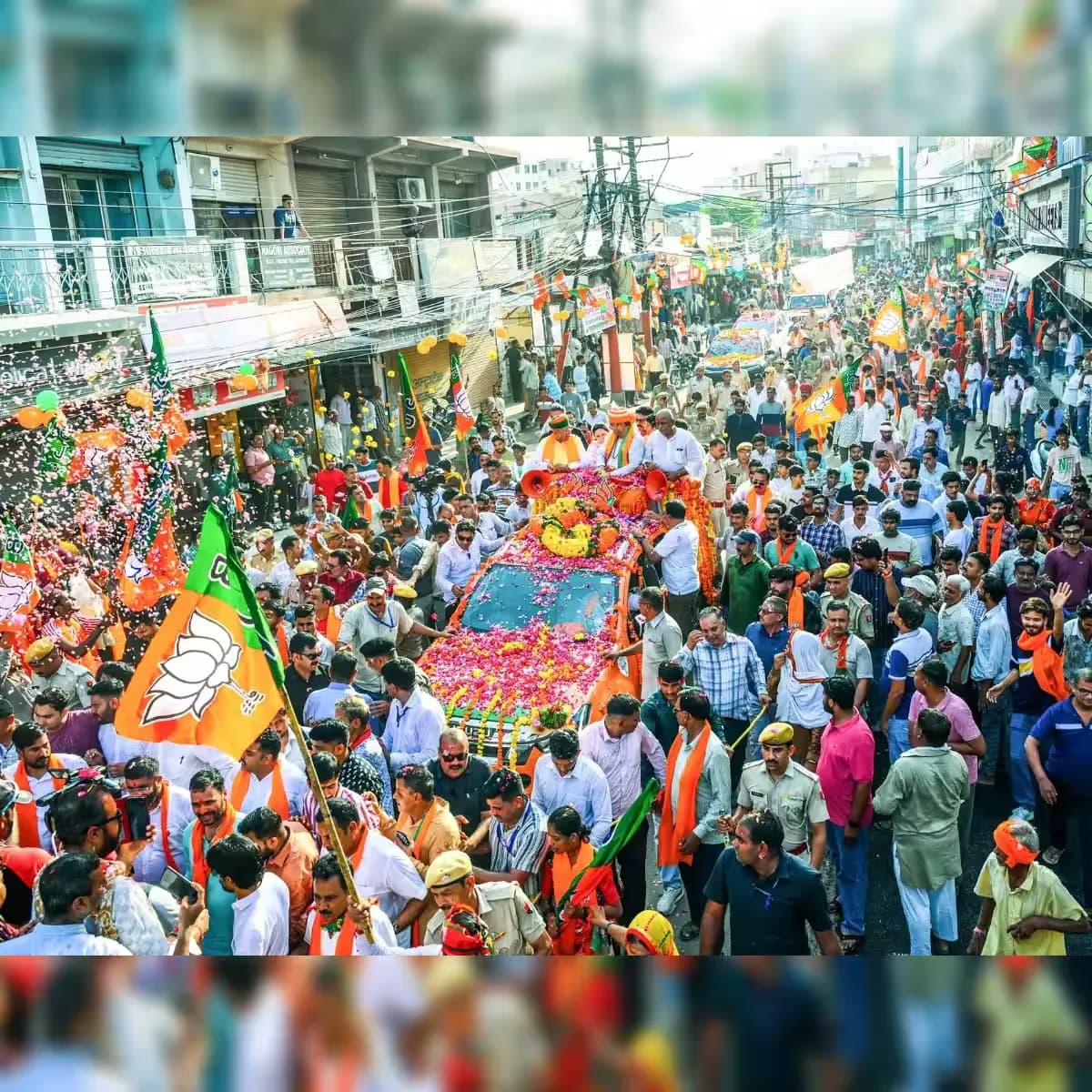
Chief Minister Bhajan Lal Sharma has taken an active role in the BJP’s campaign for the urban local body elections. His roadshows have focused on the government’s development record and several political issues that the BJP believes can help mobilise voters.
The Chief Minister conducted multiple roadshows in Jaipur ahead of the second phase of polling, highlighting issues including development, governance and the proposed Disturbed Areas Bill.
The campaign has brought Rajasthan Politics into sharp focus as the BJP attempts to strengthen its position in urban areas.
Congress Targets BJP Government
The Congress has also stepped up its campaign against the BJP government. Senior Congress leaders have criticised the state government over governance and alleged shortcomings in its administration.
Former Chief Minister Ashok Gehlot has questioned the BJP government's performance and criticised the Chief Minister for taking an active role in the civic election campaign.
Congress leaders are attempting to turn local issues, civic services and governance into major campaign topics.
Polling Day Sees Clashes and Complaints
The first phase of polling was marked by several incidents that attracted political attention. Reports from different districts mentioned clashes between supporters of rival candidates, allegations of bogus voting and complaints regarding voting procedures.
Congress also reported complaints involving EVM delays and alleged irregularities, while election authorities faced pressure to ensure that the polling process remained transparent and orderly.