Rajasthan Politics: Local Body Polls See Clashes and Voting Allegations as BJP-Congress Battle Intensifies | Indian Rajniti
BREAKING
HarperCollins Takes Over Sonia Gandhi’s Memoir Following Dramatic Penguin Exit Over Manuscript Cuts • Ladakh LG Approves Autonomous Hill Development Councils Across All Districts to Boost Local Governance • Massive Political Face-Off Erupts as CJP Stages Parliament Street Protest Over Jantar Mantar Assault Case
Rajasthan Politics: Local Body Polls See Clashes and Voting Allegations as BJP-Congress Battle Intensifies
Haripriya 10 Sept 2026 5 min read 60 views
Rajasthan Politics Enters High-Stakes Local Poll Battle
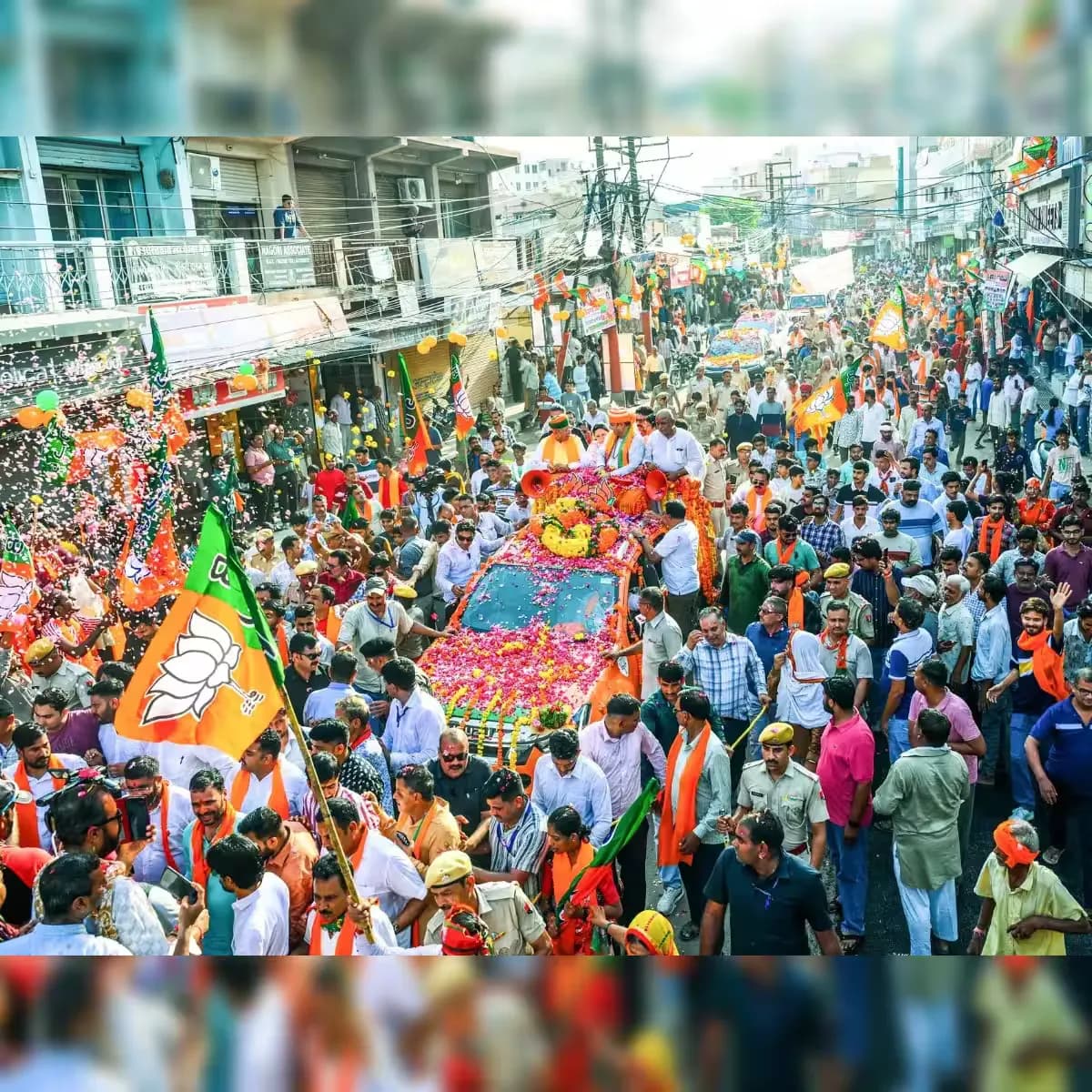
Rajasthan politics has intensified as the first phase of the state's urban local body elections witnessed clashes, allegations of bogus voting and disputes at several polling locations.
Voting was held across 162 urban local bodies, covering 5,550 wards in 41 districts. Around 65 per cent of the 57.5 lakh registered voters reportedly participated in the first phase. The second phase is scheduled for September 11, while counting is expected on September 14.
The incidents during the first phase have given the elections a strong political dimension, with the BJP and Congress accusing each other of irregularities and political interference.
Clashes Reported at Multiple Locations
Several districts witnessed political confrontations during polling.
In Deedwana, independent MLA Yunus Khan alleged that he was attacked by supporters of both Congress and BJP at a polling booth. Supporters later gathered in large numbers in his support.
In Fatehpur, an altercation involving Congress and an independent candidate reportedly left two people injured. Jhunjhunu also witnessed controversy after a polling officer was removed over allegations of influencing voters.
Other incidents were reported from Nathdwara and Jodhpur, adding to concerns over the conduct of the elections.
While political parties have made several allegations, individual claims of wrongdoing will need to be established through the appropriate electoral and administrative processes.
BJP and Congress Face Grassroots Test
The urban local body elections are important for both major political parties because they provide a direct test of organisational strength.
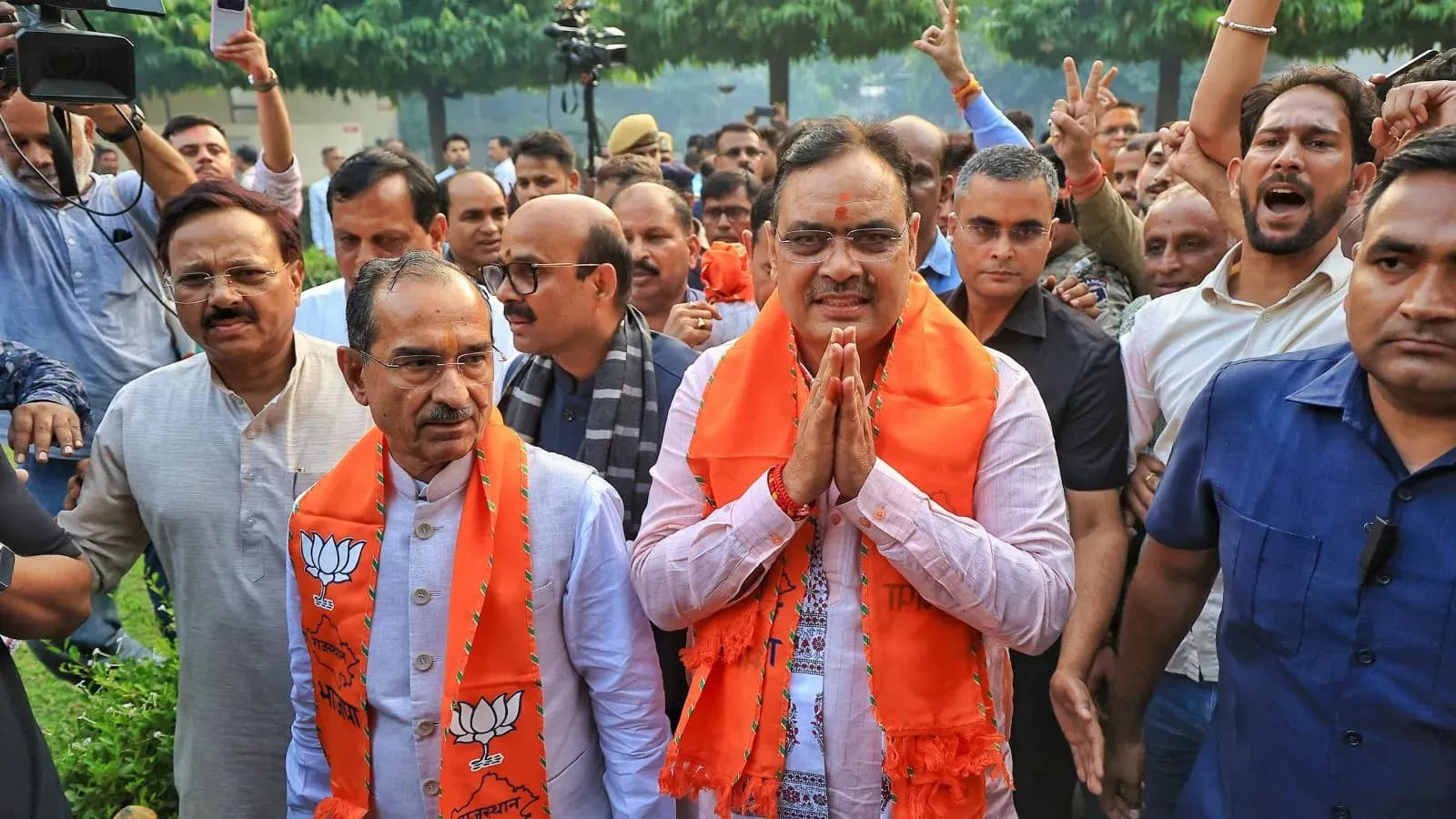
For the BJP-led government, strong performance would strengthen its claim that its political influence extends beyond Assembly constituencies and into municipal and local governance.
For Congress, the elections offer an opportunity to challenge the ruling party and demonstrate that the opposition remains capable of mobilising voters at the grassroots level.
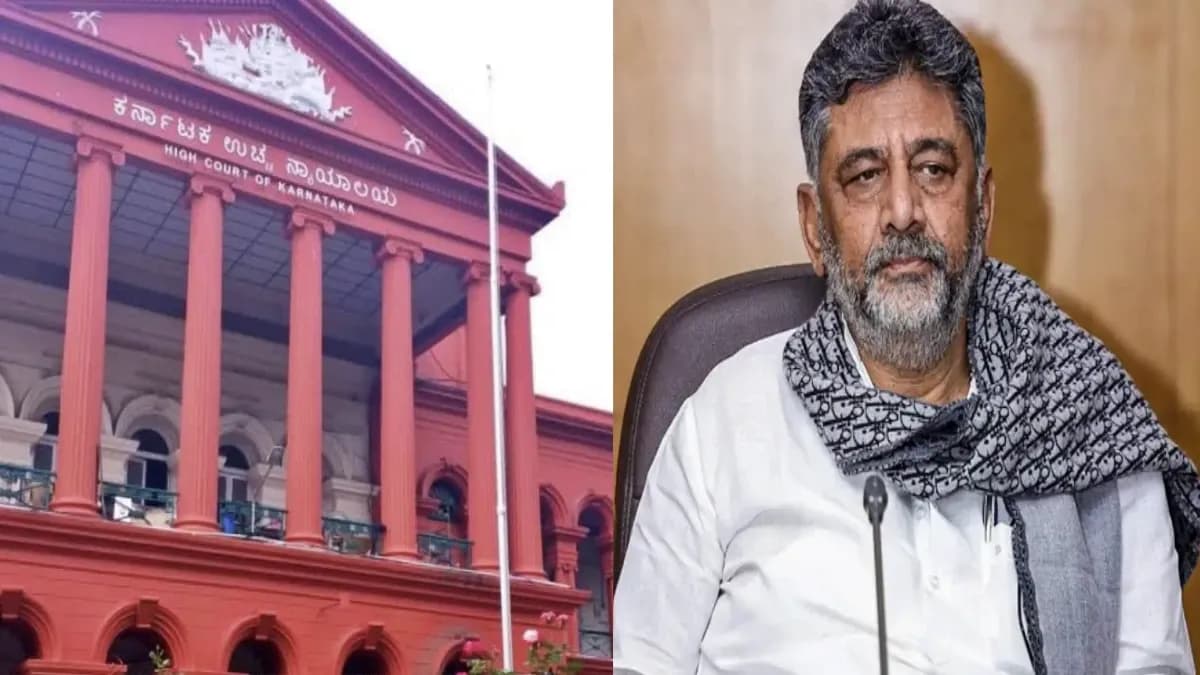
A Public Interest Litigation has been filed in the Karnataka High Court challenging the state government’s decision to restrict the singing of Vande Mataram to its first two stanzas at official events. The petition has raised questions over the state government’s authority and its alignment with a Union government directive.
This makes the contest an important part of the wider State Politics of Rajasthan.
Allegations of Bogus Voting Add to Tensions
Bogus voting allegations have become another major issue during the election process.
The BJP has alleged that Congress workers were involved in distributing money near a polling station. At the same time, candidates and supporters from different political groups have raised concerns about the conduct of voting in individual constituencies.
Such allegations can quickly intensify a Political War (opens in a new tab), particularly when local elections involve closely fought wards.
However, allegations made during campaigning or polling should be distinguished from officially established electoral violations. The final assessment will depend on investigations, complaints and decisions by the competent authorities.
Independent Candidates Add Another Dimension
The Rajasthan local elections are not simply a direct BJP versus Congress contest.
Independent candidates are also playing an important role in several areas. The controversy involving independent MLA Yunus Khan illustrates how local political equations can differ from the broader state-level rivalry.
Local elections often involve personal relationships, community networks and ward-level issues that do not always follow the same pattern as Assembly elections.
This means that independent candidates could influence results in closely contested areas.
Why Local Elections Matter
Urban local bodies directly influence everyday life through civic services such as roads, sanitation, water supply, waste management, street lighting and local infrastructure.
As a result, municipal elections can become a direct assessment of how voters perceive governance.
For political parties, winning municipal seats also provides an opportunity to strengthen their local organisational network.
The results could therefore provide clues about public sentiment before future major electoral contests in the state.
BJP's Governance Narrative
The BJP is likely to focus on its governance record and development agenda while seeking support from urban voters.
The party can use its control of the state government to highlight infrastructure, public services and administrative initiatives.
However, the opposition can counter this narrative by focusing on local civic problems and complaints from residents.
The effectiveness of these competing narratives could play an important role in determining the final results.
Congress Looks to Challenge the Government
For Congress, the elections provide a chance to turn local dissatisfaction into political momentum.
The party can use issues such as municipal services, unemployment, inflation and local development to challenge the BJP.
Congress leaders can also use allegations of irregularities during polling to question the government's ability to ensure a fair electoral environment.
The coming phase will therefore remain closely watched by both parties.
Youth Politics and Local Elections
Young voters are increasingly important in urban political contests.
Issues such as employment opportunities, education, technology, transport, public spaces and civic infrastructure can strongly influence younger voters.
This makes Youth Politics an important part of the wider election strategy.
Political parties (opens in a new tab) are also increasingly using social media to reach younger voters, promote candidates and respond to allegations made by opponents.
The Rajasthan local elections could therefore see traditional door-to-door campaigning combined with an aggressive digital campaign.
What Happens Next?
The second phase of voting on September 11 will be crucial. Political parties will be hoping to avoid the type of confrontations and controversies reported during the first phase.
The Election Commission and local administration will also face pressure to ensure that polling takes place peacefully and that complaints are handled properly.
The results on September 14 will provide the clearest indication of which party has gained an advantage at the grassroots level.
For Rajasthan politics, the elections are about more than municipal seats. They are also a test of the organisational strength of major Political Parties, the popularity of the state government and the ability of the opposition to mobilise voters.
With allegations and political confrontations already dominating the first phase, the second phase is likely to receive even greater attention.
If the BJP performs strongly, it could strengthen the government's political position. If Congress makes significant gains, it could give the opposition fresh momentum.
The final results will therefore be closely watched as an important indicator of Rajasthan's evolving political landscape.
“Rajasthan Politics has heated up as the first phase of urban local body elections witnessed clashes, allegations of bogus voting and disputes involving BJP, Congress and independent candidates. With the second phase scheduled for September 11, the elections have emerged as an important test of grassroots political strength.”
Rajasthan’s urban local-body election results have brought a closely contested political picture, with the BJP leading the declared ward count while Congress and independent candidates also securing substantial support. Repolling in some wards is set to complete the remaining results.
The upcoming Nandigram Assembly bypoll has triggered fresh political discussions in West Bengal after a Congress leader claimed that the Trinamool Congress had offered the seat to Congress. The TMC denied making such a proposal, adding another point of contention ahead of the October 6 bypoll.
The Supreme Court has resumed final hearings in petitions concerning the Shiv Sena split and the disqualification of MLAs from the Eknath Shinde-led faction. The Shinde camp is defending the Election Commission’s decision recognising its organisational majority in the party dispute.