Understanding Indian Politics: The Role of Democracy and Public Participation
Indian Politics (opens in a new tab): Understanding India's Democratic and Political System
Indian politics is one of the most diverse political systems in the world. India's democratic structure is based on the Constitution of India, regular elections, representative institutions, fundamental rights, and an independent judiciary. Since becoming a republic in 1950, India has developed a parliamentary democratic system in which citizens elect representatives to govern at the national, state, and local levels.
The Constitution of India provides the foundation for the country's political system. It establishes the powers and responsibilities of different institutions and guarantees important rights to citizens. The Constitution also establishes the principles of federalism, separation of powers, equality before the law, and democratic representation.
Role of Political Parties (opens in a new tab)
Political parties play a major role in Indian democracy. They connect citizens with government institutions and provide voters with different political choices. India has both national and regional political parties, each representing different political viewpoints, social groups, regional interests, and development priorities.
Political parties prepare election manifestos outlining their proposed policies and programmes. During election campaigns, parties communicate their priorities to voters through public meetings, speeches, debates, media campaigns, and digital platforms.
Competition between political parties allows citizens to compare different approaches to economic development, employment, education, healthcare, infrastructure, agriculture, welfare, and national security.
Elections and Voting
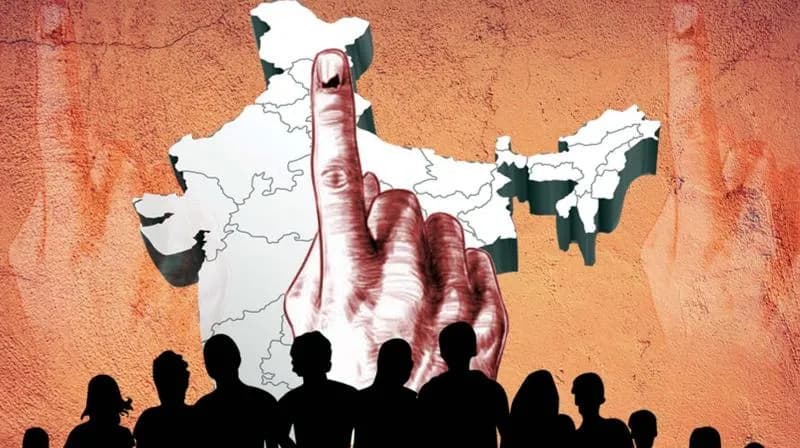
Elections are one of the most important elements of Indian politics. Citizens have the opportunity to choose their representatives through elections held at different levels of government.