🇮🇳 Women’s Reservation Debate Gains Fresh Political Focus as Om Birla Highlights New Leadership Opportunities
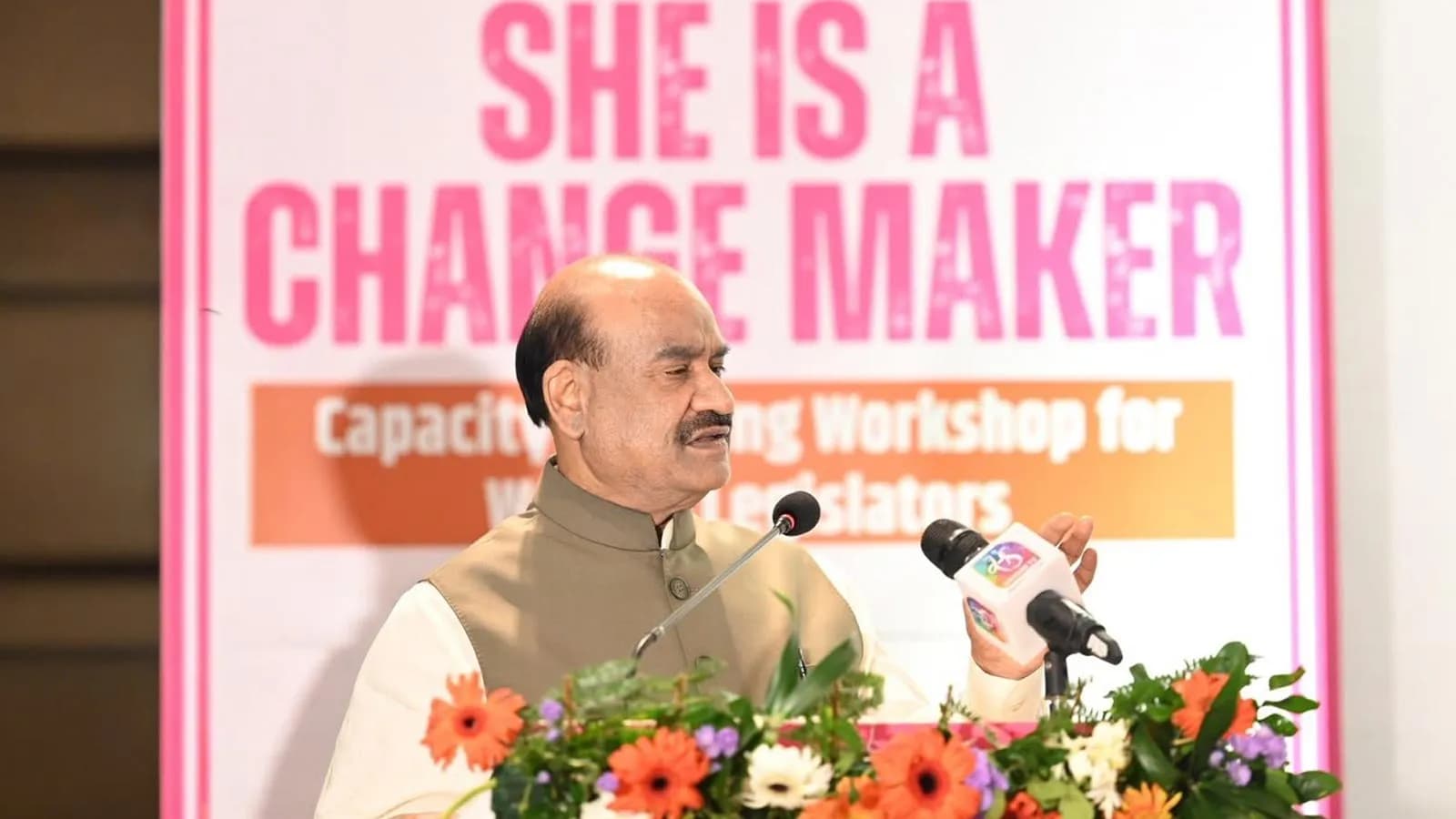
India's debate over women's political representation has gained fresh attention after Lok Sabha Speaker Om Birla highlighted the potential of the 33% reservation for women in the Lok Sabha and state Assemblies.
Speaking at a national workshop on gender-responsive governance in Faridabad, Birla said greater representation could open new leadership opportunities for women across India's political system.
The issue is particularly significant as political parties prepare for the next major electoral cycle and discussions continue over how the women's reservation framework will be implemented.
33% Reservation Could Change Political Representation
The women's reservation law provides for 33% reservation for women in the Lok Sabha and state Legislative Assemblies.
The measure is intended to increase women's participation in elected institutions and create a larger pipeline of women leaders at both the national and state levels.
Birla argued that women's leadership can bring greater sensitivity to public concerns and contribute to more responsive governance.
The implementation of the reservation, however, is connected to the broader processes of delimitation and the census, making its practical rollout an important political and constitutional issue.
Why the Issue Matters Ahead of 2029
The question of women's representation is expected to remain an important part of national politics as parties begin thinking about future electoral strategies.
For the BJP, Congress and regional parties, the issue presents an opportunity to demonstrate their commitment to increasing women's participation in decision-making.
Political organisations may also face pressure to increase the number of women candidates they nominate, even beyond constitutionally mandated reservations.
This could potentially influence candidate selection, campaign strategies and internal party structures.
Political Parties Face a New Challenge
The women's reservation debate could also change the way political parties approach elections.