Maharashtra Politics Heats Up Over Ganeshotsav DJ Ban Dispute | Indian Rajniti
BREAKING
HarperCollins Takes Over Sonia Gandhi’s Memoir Following Dramatic Penguin Exit Over Manuscript Cuts • Ladakh LG Approves Autonomous Hill Development Councils Across All Districts to Boost Local Governance • Massive Political Face-Off Erupts as CJP Stages Parliament Street Protest Over Jantar Mantar Assault Case
Maharashtra Politics Heats Up Over Ganeshotsav DJ Ban Dispute
Haripriya 10 Sept 2026 4 min read 57 views
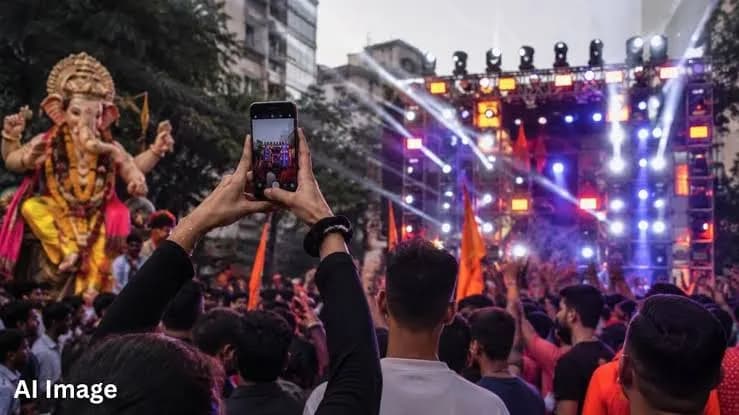
Maharashtra Politics has entered a fresh phase of debate ahead of Ganeshotsav, with the use of DJs and loudspeakers becoming a political issue across the state. Differences have emerged within the ruling Mahayuti alliance over whether restrictions should be imposed on DJs during the festival.
The controversy gained momentum after Pune-based activist Vidyanand Bapat demanded restrictions on loud DJs and speakers during Ganeshotsav. Reports said Bapat was subsequently attacked, intensifying the debate over noise pollution, public safety and political responsibility.
The issue has now developed into a wider political discussion involving the BJP, the Eknath Shinde-led Shiv Sena and opposition parties.
Mahayuti Faces Internal Differences
The dispute has exposed differences within the ruling alliance. Some BJP leaders have supported the use of DJs during religious celebrations, while other leaders have called for restrictions based on noise-control rules and public safety concerns. The Shinde-led Shiv Sena has also faced pressure to clarify its position.
Such disagreements are significant because the BJP and Shiv Sena are partners in the Maharashtra government. A public disagreement over an issue connected to one of the state's biggest festivals can therefore quickly become part of the broader Political Parties (opens in a new tab)Political War (opens in a new tab)between the ruling alliance and opposition parties.
Opposition Parties Back Restrictions
Opposition parties, including Congress, Shiv Sena (UBT), NCP factions and MNS, have reportedly supported restrictions on excessive DJ and loudspeaker use. They have referred to existing legal and Supreme Court guidelines concerning noise pollution.
The opposition is likely to use the controversy to question whether the government can maintain a consistent position on law, public safety and festival management.
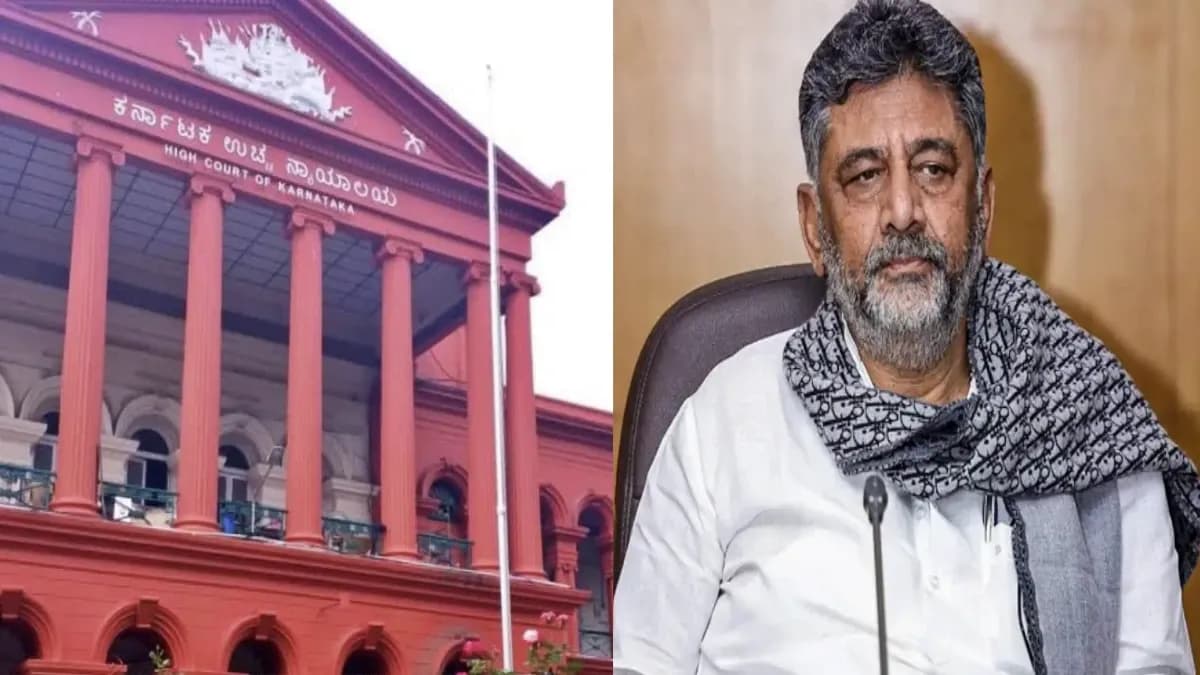
A Public Interest Litigation has been filed in the Karnataka High Court challenging the state government’s decision to restrict the singing of Vande Mataram to its first two stanzas at official events. The petition has raised questions over the state government’s authority and its alignment with a Union government directive.
For the opposition, the issue also provides an opportunity to highlight differences within the ruling alliance.
Ganeshotsav Becomes a Political Flashpoint
Ganeshotsav has enormous cultural importance in Maharashtra, making any controversy surrounding the festival politically sensitive. Political parties have traditionally paid close attention to festival-related issues because they can influence public sentiment across urban and rural constituencies.
The current debate is not simply about whether DJs should be allowed. It also concerns how the government balances religious and cultural celebrations with noise regulations, public health and the rights of residents.
The government's handling of the issue could therefore have political consequences beyond the festival itself.
A New Test for the Mahayuti Government
The controversy presents another test for the Mahayuti government led by Chief Minister Devendra Fadnavis. The administration will need to balance different opinions within its alliance while ensuring that police and local authorities follow applicable regulations.
A clear and consistent policy could help prevent further political escalation. However, continued disagreement among alliance leaders could give opposition parties more space to attack the government's coordination.
This is particularly important because Maharashtra's political environment remains highly competitive.
Role of Political Parties
The dispute demonstrates how local cultural issues can quickly become major issues for Political Parties. Parties are attempting to position themselves as supporters of religious traditions while also addressing concerns about noise pollution and public order.
The BJP and Shiv Sena will need to manage their internal differences carefully, while opposition parties are likely to continue pressing the government for a clear policy.
The final approach adopted by the administration could determine whether the issue remains limited to festival management or develops into a larger political confrontation.
Youth Politics and Public Participation
The controversy also has a connection with Youth Politics. Young people form a major part of festival celebrations and are often closely involved in organising cultural events, processions and community programmes.
At the same time, younger citizens are increasingly engaged with debates surrounding public safety, environmental concerns and responsible celebrations.
Political parties may therefore need to address both sides of the debate — protecting cultural traditions while encouraging celebrations that respect legal regulations and the wider community.
What Happens Next?
With Ganeshotsav approaching, attention will now focus on how the Maharashtra government and local administrations implement noise-control rules.
The opposition is expected to continue questioning the ruling alliance's position, while BJP and Shiv Sena leaders will face pressure to maintain a common approach.
The dispute could ultimately be resolved through enforcement of existing regulations rather than through a completely new policy. However, the political debate is likely to continue as long as different sections of the ruling alliance maintain different positions.
For Maharashtra, the larger challenge is to ensure that Ganeshotsav celebrations remain vibrant while also protecting public safety and maintaining compliance with noise regulations.
The latest controversy shows once again how cultural issues can quickly become part of Maharashtra Politics, particularly when ruling coalition partners themselves appear divided.
As the festival approaches, the government's ability to balance tradition, public concerns and political unity will remain under close scrutiny.
“Maharashtra Politics has witnessed a fresh controversy ahead of Ganeshotsav, with disagreements emerging within the ruling Mahayuti alliance over the use of DJs and loudspeakers during celebrations. While some BJP and Shiv Sena leaders have supported restrictions on noise pollution, others have opposed a blanket ban, giving the opposition another issue to target the government.”
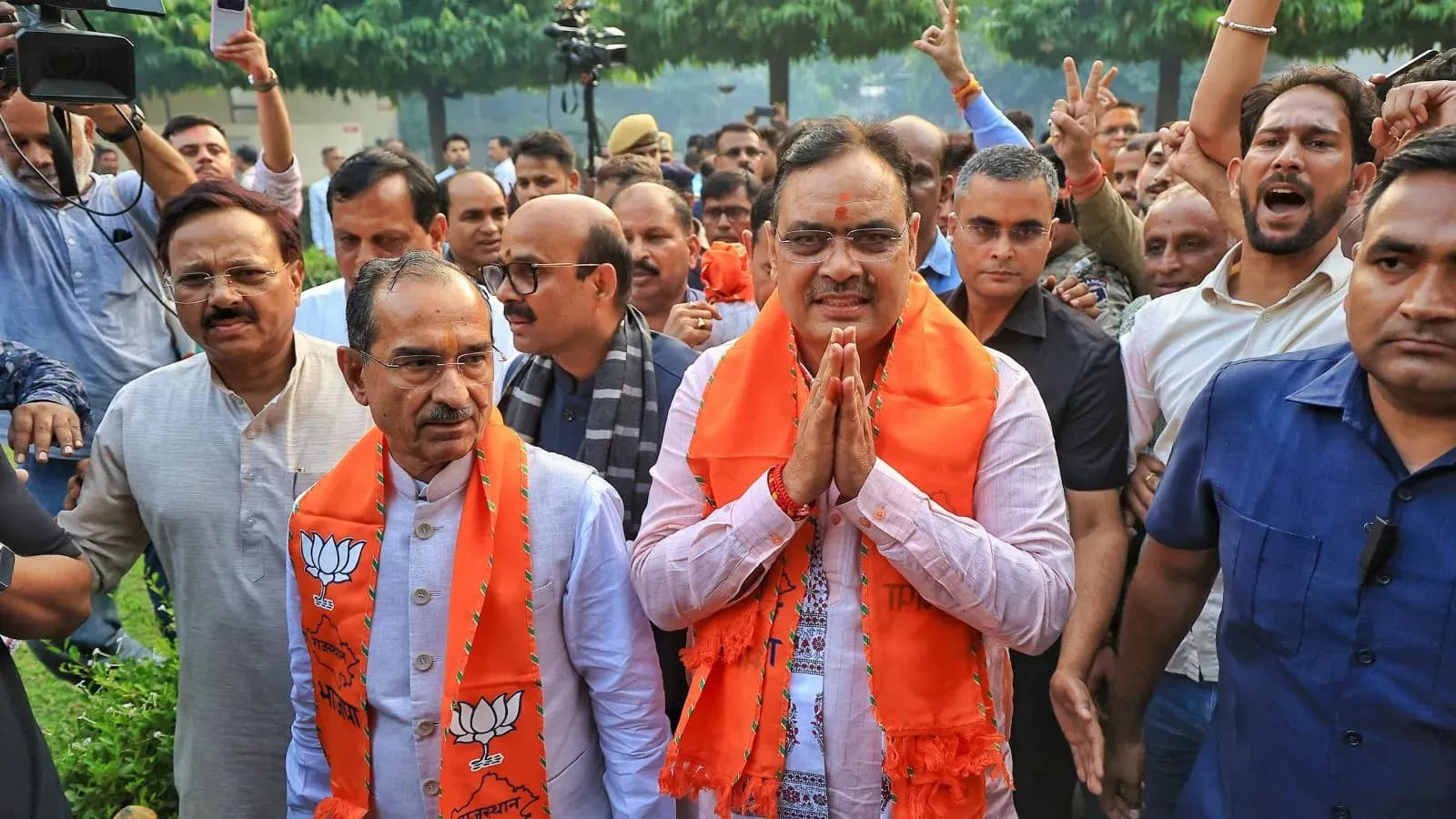
Rajasthan’s urban local-body election results have brought a closely contested political picture, with the BJP leading the declared ward count while Congress and independent candidates also securing substantial support. Repolling in some wards is set to complete the remaining results.
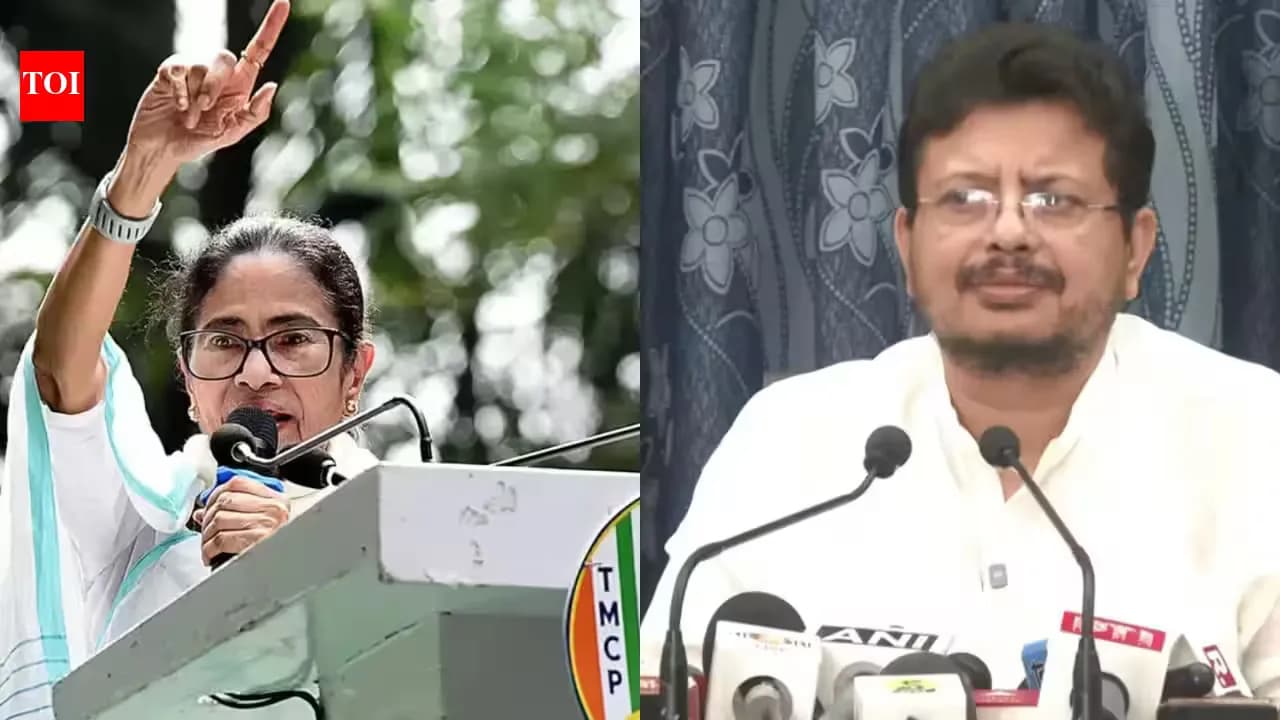
The upcoming Nandigram Assembly bypoll has triggered fresh political discussions in West Bengal after a Congress leader claimed that the Trinamool Congress had offered the seat to Congress. The TMC denied making such a proposal, adding another point of contention ahead of the October 6 bypoll.
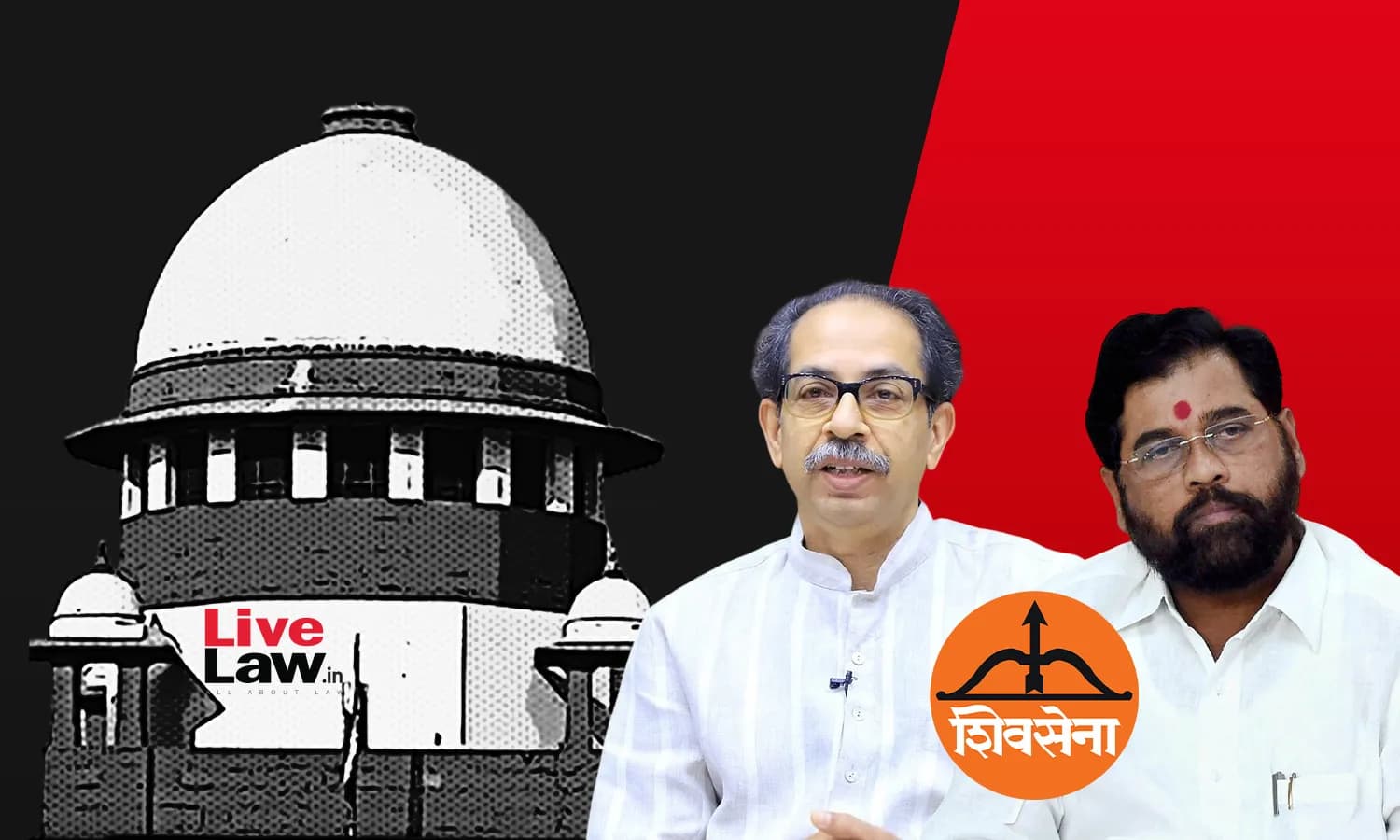
The Supreme Court has resumed final hearings in petitions concerning the Shiv Sena split and the disqualification of MLAs from the Eknath Shinde-led faction. The Shinde camp is defending the Election Commission’s decision recognising its organisational majority in the party dispute.