Punjab Politics: Government-Farmer Tensions Ease After Written Assurances on Water and Agriculture Issues

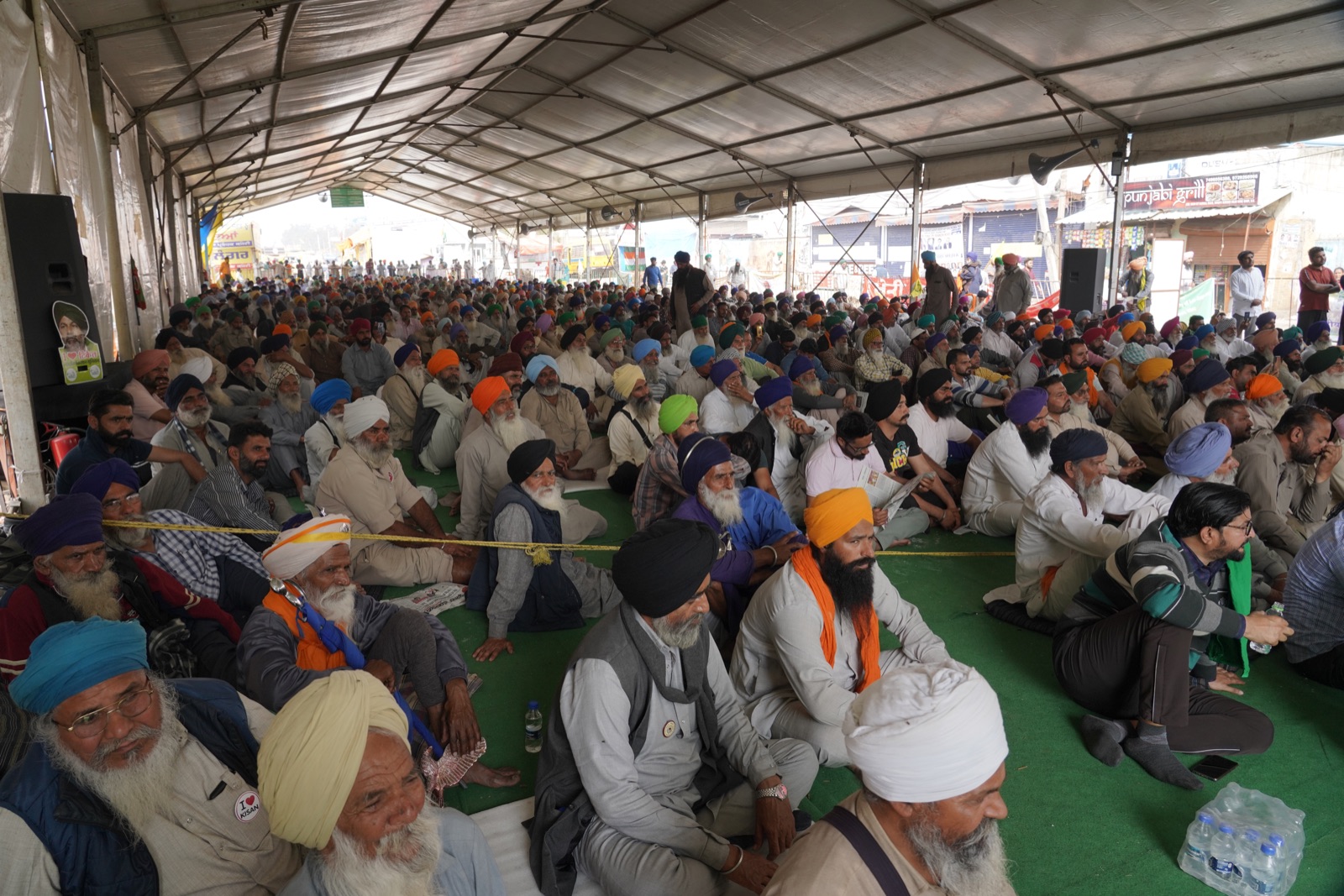
Punjab has witnessed an important political development after farmers ended their week-long protest following written assurances from the state government.
The agitation had brought several major issues to the forefront, including interstate river-water agreements, the Punjab Reorganisation Act, farmers' loans, seed legislation, sugarcane payments and the Dam Safety Act. The government's response has now created an opportunity for negotiations, although several issues remain unresolved.
Farmers Withdraw Protest After Government Assurances
Farmers ended their protest at the Chandigarh-Mohali borders after receiving written commitments from the Punjab government.
Among the most significant assurances was the government's decision to convene a special session of the Punjab Assembly within a month to discuss interstate water agreements.
The issue has remained politically sensitive in Punjab for decades because water-sharing arrangements directly affect agriculture and the state's wider relationship with neighbouring states.
Water-Sharing Issue Returns to Centre Stage
The proposed Assembly session could become an important moment in Punjab Politics.
The state government plans to discuss long-standing interstate water agreements and pass resolutions seeking changes to existing arrangements.
The government has also indicated that it will seek the repeal of Sections 78, 79 and 80 of the Punjab Reorganisation Act, 1966, provisions connected with the distribution and management of river waters.
Punjab's farmers have long argued that the state's water resources are crucial to protecting its agricultural economy.
Farmers' Other Demands
The protest was not limited to water issues.
Farmers also raised concerns involving:
Agricultural loans Seed legislation Sugarcane payments Dam safety Interstate water agreements Provisions of the Punjab Reorganisation Act
The government's written assurances have temporarily defused the situation, but farmers will be watching closely to see whether the commitments are actually implemented.